
By María Angélica Troncoso
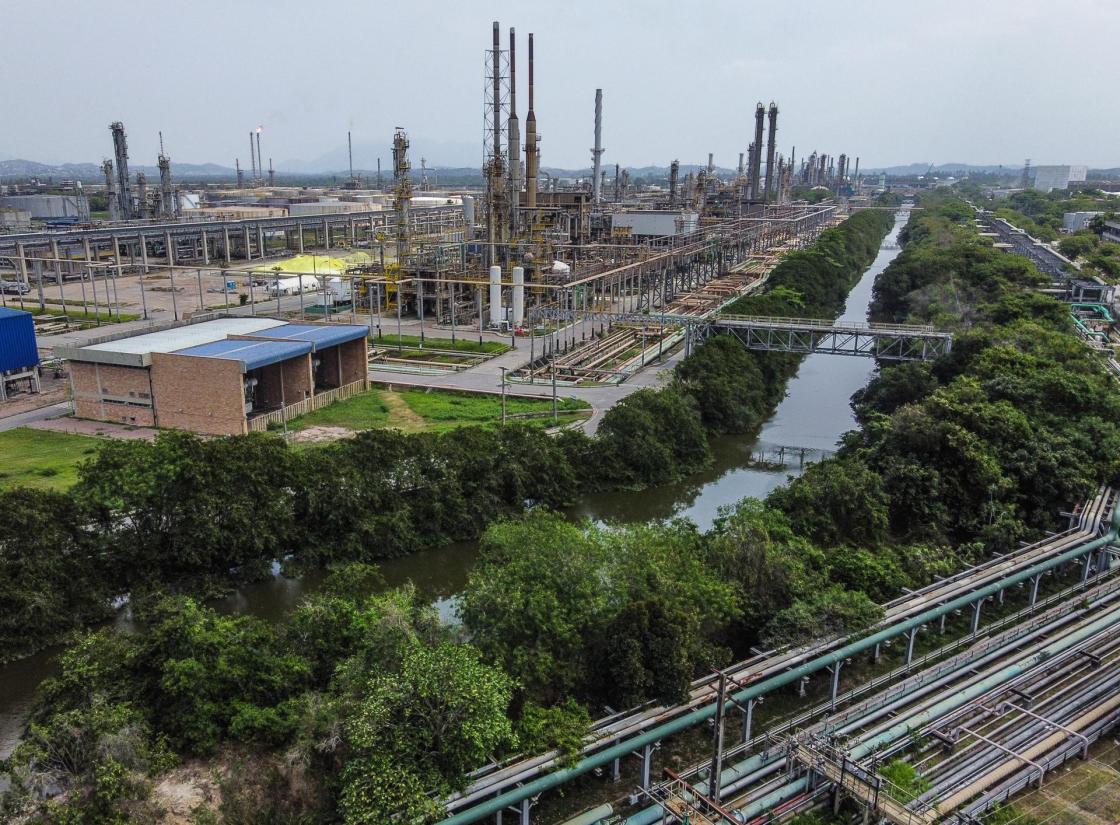
Rio de Janeiro, Sep 1 (EFE) – A fossil fuel-free Amazon, where sustainable development is promoted and Indigenous and local communities are supported, may seem utopian given ongoing oil and gas exploration.
However, a proposal from a coalition of environmentalists and Indigenous groups aims to make it a reality.
Indigenous and NGO demands at ACTO
The idea has circulated for decades. At the recent presidential meeting of the Amazon Cooperation Treaty Organization (ACTO), several Indigenous and environmental NGOs called for the issue to be included on the agenda of the UN Climate Conference (COP30).
“The Amazon, the center of our life and memory, a fundamental ecosystem for global climate balance, faces an ever-expanding onslaught from extractive interests, including fossil fuels,” said the petition, signed by about 50 NGOs.
The organizations pointed to the “increasingly aggressive advance of extractive interests,” citing examples in Brazil, Colombia, Ecuador, and Peru.
“Possible” to achieve an oil-free Amazon
Although an oil-free Amazon may seem far off, Suely Araújo, public policy coordinator for the Climate Observatory, told EFE it is “possible” if immediate decisions are taken.
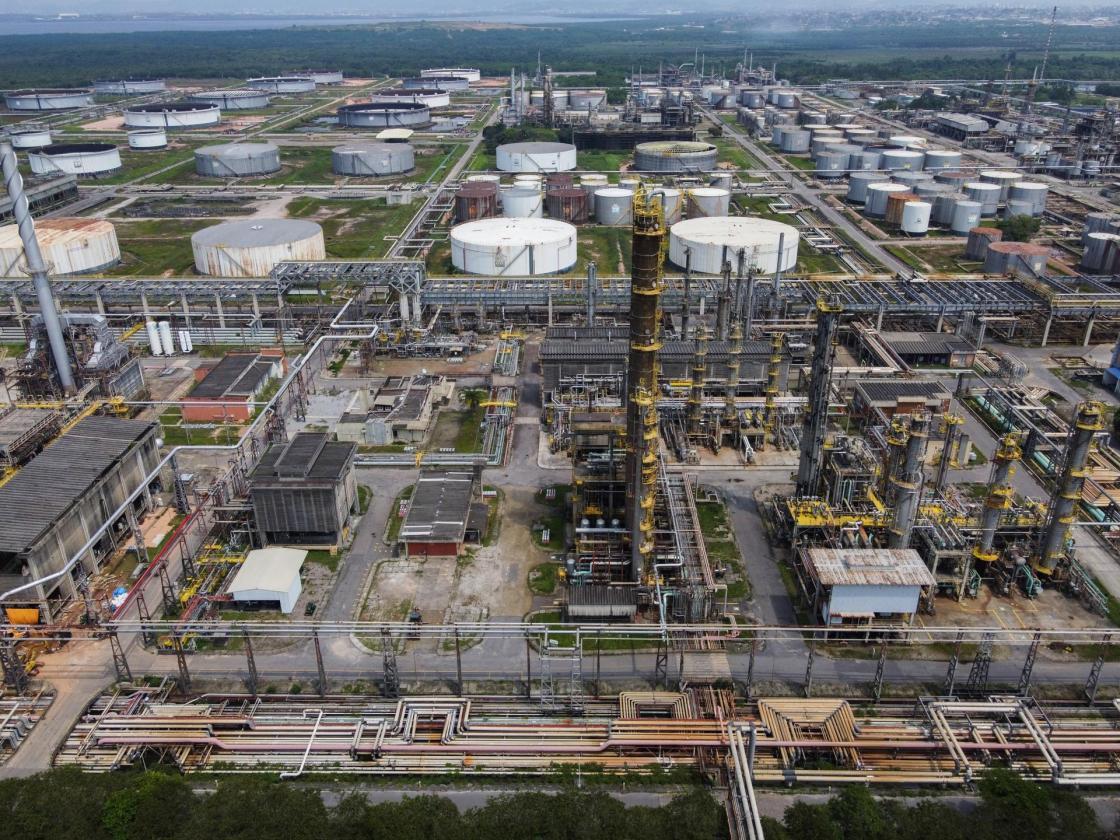
“Utopias are what move us. We must fight to make the demand for an oil-free Amazon a reality as soon as possible. That begins with the decision not to open new exploratory areas in the region, both on land and offshore,” she said.
Brazil’s controversial oil project
In Brazil, home to the largest share of the Amazon, President Luiz Inácio Lula da Silva has been blunt:
“It is with this oil that we will enrich our people and finance the energy transition.”
His remarks refer to a controversial project by state oil company Petrobras to drill in deep waters near the mouth of the Amazon River.
The Brazilian Institute of the Environment (Ibama) has called the area “extremely sensitive.” It contains protected reserves, Indigenous territories, mangroves, coral reefs, and endangered marine life, including the gray dolphin and the manatee.
Ibama, an autonomous agency under the Environment Ministry, has resisted issuing the environmental license due to the high risks involved.
Nevertheless, the government auctioned off concessions to exploit 47 offshore areas in the region. Of these, 19 went to Petrobras, ExxonMobil, Chevron, and China’s CNPC.
Criticism of fossil-fuel dependence
Araújo criticized the auctions, stressing that “oil exploration brings money, but not income distribution.”
She noted that despite Brazil’s position as the world’s eighth-largest oil producer, the regions where oil and gas are exploited “have not solved their social problems and remain far from doing so.”
“Believing in development based on fossil fuels is to look back to the 20th century and deny the seriousness of the climate crisis,” she added.
Looking ahead to COP30, Araújo cautioned that the debate over a fossil fuel-free Amazon will not be resolved there.
“Nor could it, because the decision rests with the Amazon countries themselves,” she explained.
Still, she noted:
“The process can take important steps forward at COP30, which would be very positive, but it will take time.”
Green Economy Forum to debate energy transition
Energy transition and decarbonization will be central topics at the 3rd Latin American Green Economy Forum, organized by Agencia EFE in São Paulo on Sept. 4.
The event will bring together officials and experts to debate the climate crisis. It is sponsored by ApexBrasil, Norte Energia, and Lots Group, with support from IBMEC University, the Climate Observatory, and Imaflora.