
São Paulo, Sep 27 (EFE).- Brazil, Latin America’s largest economy, is committed to international trade and attracting foreign investment, not only to boost its growth but also to reduce gender gaps in the country, where 51.5% of the population are women.
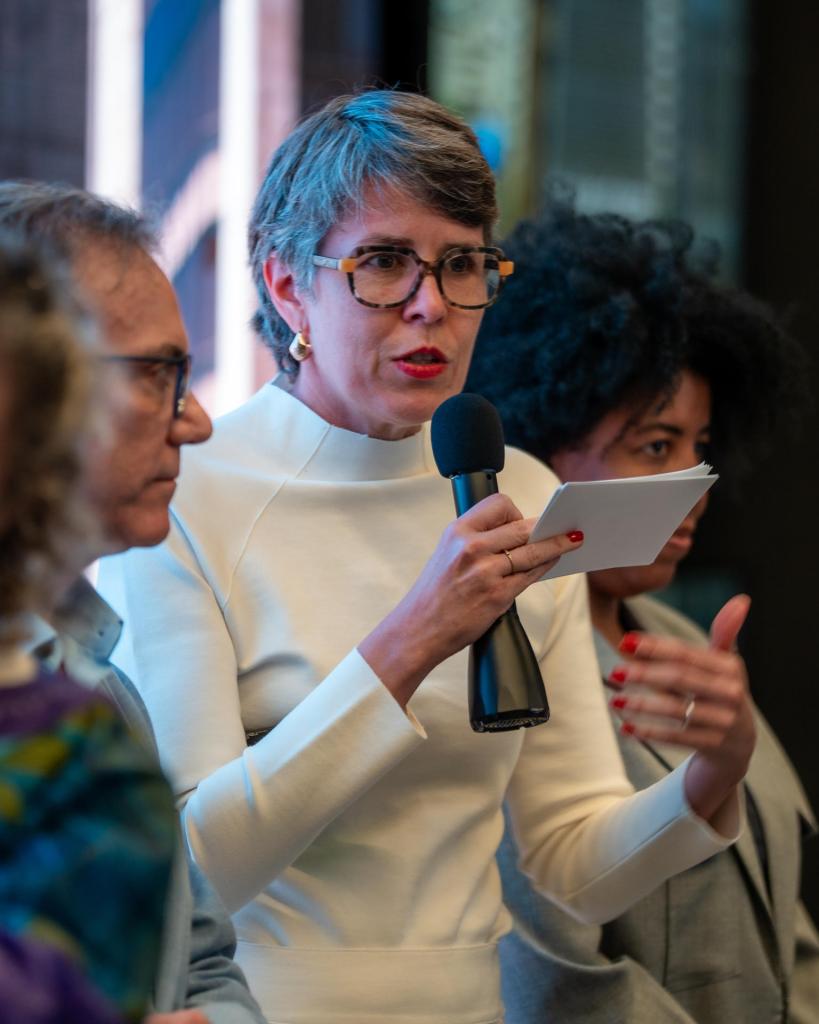
This is what Ana Paula Repezza, business director at the Brazilian Trade and Investment Promotion Agency (ApexBrasil), explained to EFE in an interview, highlighting the economic and social potential of increased female participation.
Repezza explained that, as companies that trade with other countries pay higher salaries and are more resilient to crises, foreign trade represents an important opportunity for women to earn more income.
When women earn more, they tend to invest in food and education for their families, which improves conditions for future generations and generates a “virtuous cycle” that impacts the economy.
“This equation linking exporting companies to the fact that women with higher incomes will reinvest in future generations is very powerful. This makes foreign trade a great tool for reducing social inequality,” said the director.
A path of no return
According to a report by the Ministry of Development, Industry, Trade, and Services, only 2% of Brazil’s total exports in 2024, which reached US$337 billion, corresponded to companies with a female majority in their corporate structure.
However, the study reveals signs of change: the proportion of exporting companies with a majority of female partners rose from 13.9% in 2022 to 14.5% in 2024, with a particular presence in micro and small businesses.
For Repezza, it is clear that there is “much greater awareness of the importance of women’s participation” and of the development of public policies that facilitate this inclusion.
“In recent years, the inclusion of women in the labor market and in the Brazilian economy has been increasing, and this is a path of no return,” she argued.
Support and cooperation
To accelerate this change, ApexBrasil aims to support and empower female leadership with the Women and International Business (MNI) program, which has reached more than 4,000 companies since 2023.
With more than 70 strategic partners, the initiative offers everything from technical and socio-emotional training to business rounds and international missions.
“International exchange is of great help, because women realize that the problems are often the same, and this creates an emotional connection that promotes greater understanding and the search for solutions, in addition to potentially leading to commercial agreements,” explained Repezza.
Osaka, a showcase for change
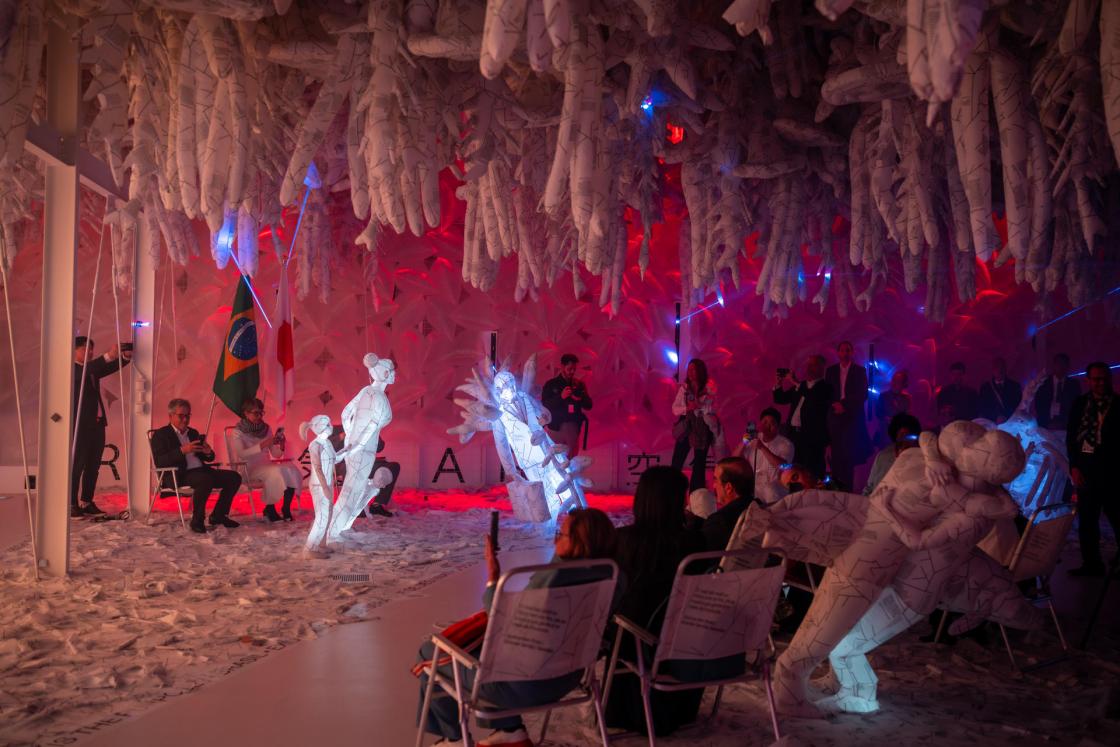
With its participation in Expo Osaka 2025, which concludes on October 13 in Japan, Brazil aims not only to strengthen global connections but also to promote itself as a showcase for women’s empowerment.
Its 373-square-meter pavilion, divided into immersive spaces that reflect nature preservation and diversity, has already welcomed nearly 2 million visitors since April.
At the same time, in August, the country promoted Women’s Week, with musical performances, a fashion show, business meetings, and debates.
“This initiative brought together businesses with important debates on the future of women. The theme of this year’s Expo is the future we want, and we cannot imagine a future that is not inclusive, in which women cannot fully exercise all their abilities (…) A woman’s place is wherever she wants it to be, anywhere in the world,” concluded Ana Paula Repezza. EFE
Agencia EFE published this content with support from ApexBrasil