
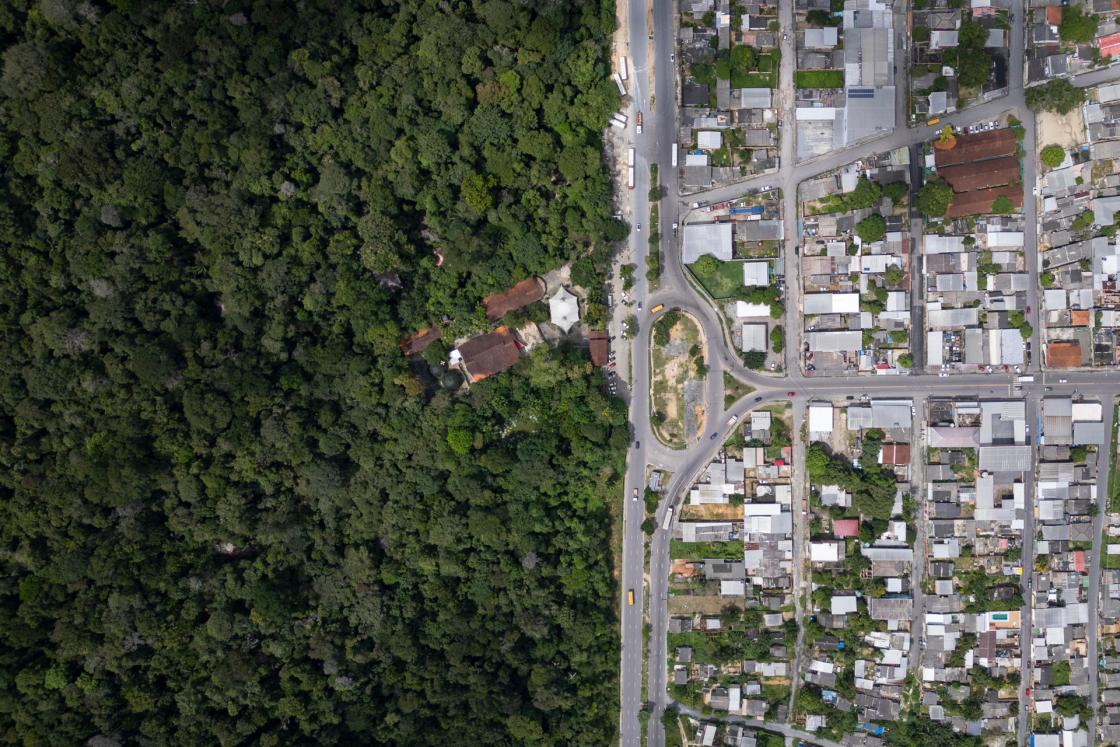
Belém, Brazil, Nov 18 (EFE).- Brazil, one of the world’s major exporters, is accelerating efforts to expand the Amazonian bio-socioeconomy as a global growth strategy—an agenda the country is spotlighting at COP30, the UN climate conference hosted in Belém.
According to the Brazilian Trade and Investment Promotion Agency (ApexBrasil), forest-compatible products generate around $300 billion worldwide, yet Brazil captures just 1% despite holding 60% of the world’s largest tropical rainforest.
“If we expand the presence of our bio-socioeconomic products, we can transform the Amazon’s reality (…) and generate more than $2 billion in the region alone,” ApexBrasil president Jorge Viana said at the event, which ends Friday.
COP30 as a global showcase for the Amazon
Viana stressed that COP30 provides the region with unprecedented global visibility, enabling companies, institutions, and policymakers to see firsthand the diverse realities of the Brazilian Amazon.
It is an ideal moment to strengthen and expand ties between local wealth and the international market, he said.
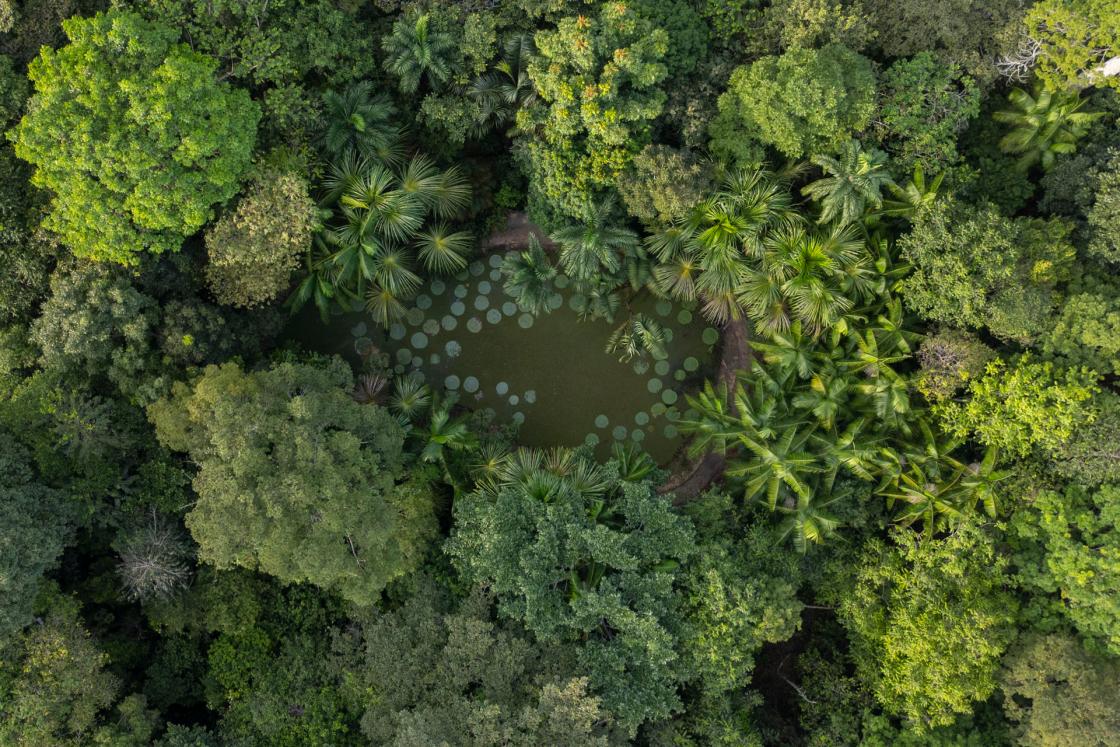
Pará emerges as the flagship state at COP30
To strengthen that bridge, ApexBrasil released new studies on Amazonian states, including Pará, identifying 1,702 business opportunities in markets such as the United States, Mexico, France and China.
As the host of the first COP ever held in the Amazon, Pará stands out for its forest-based and bioeconomic production chains, capable of generating jobs and added value with low environmental impact.
Home to 8 million residents, the state was the region’s top exporter in 2024 (77.5%) and the sixth-largest in Brazil. Extractive industries accounted for 70.1% of its $23 billion in foreign sales.

Investment flows highlight Pará’s growing potential
The study also showed that between 2019 and 2024, Pará attracted $255.5 million in announced foreign investments—mainly from the United States (72.2%), Spain (21.4%), Germany and Japan. Most projects focused on software (55.5%) and financial services (23.1%).
This, Viana said, underscores the state’s potential to become a model for a new green economy that “reconciles prosperity, conservation and innovation.”
The Amazon’s iconic forest-compatible products
Beyond Pará, the Amazon rainforest—covering nearly half of Brazil’s territory—offers major opportunities through products such as coffee, cocoa, nuts, açaí and fish.
“The Amazon is not only vital for climate stability but also a strategic frontier for bioeconomy and sustainable trade,” Viana noted.
But he said progress requires stronger public policy and sustainable scaling practices that allow these products to gain value while benefiting local communities.
Cocoa: an Amazonian treasure with global imbalance
Cocoa originates in the Amazon, yet Ivory Coast and Ghana produce 70% of global supply. Although cocoa is central to Brazil’s bio-socioeconomy, Viana said only about 7% of chocolate’s value stays with producers—something that must change.
Coffee: a high-value alternative to deforestation
Brazil’s Amazonian coffee variety is adapted to rainforest conditions and highly productive. It could be a tool for small farmers and a powerful land-restoration resource.
“It’s a forest-compatible product that can be 50 to 100 times more profitable than cattle ranching,” Viana said. “It symbolizes a new economy that creates income without destruction.”
Açaí: the Amazon’s global success story
Açaí, already beloved in Brazil and abroad, also stands out as a key tool for restoring degraded areas.
Viana called it “the most successful example of the enormous potential of forest-compatible products in the Amazon.”
Turning potential into prosperity
“The rainforest can be our greatest source of wealth and climate balance. It’s up to us to turn that potential into reality,” he said.
EFE published this report with the support of ApexBrasil.