Madrid, Oct 3 (EFE).– Ecuador, the world’s top banana exporter, is urging European markets to take responsibility in eradicating drug trafficking linked to banana shipments and ensure that prices reflect producing countries’ efforts in safety, social standards, and sustainability.
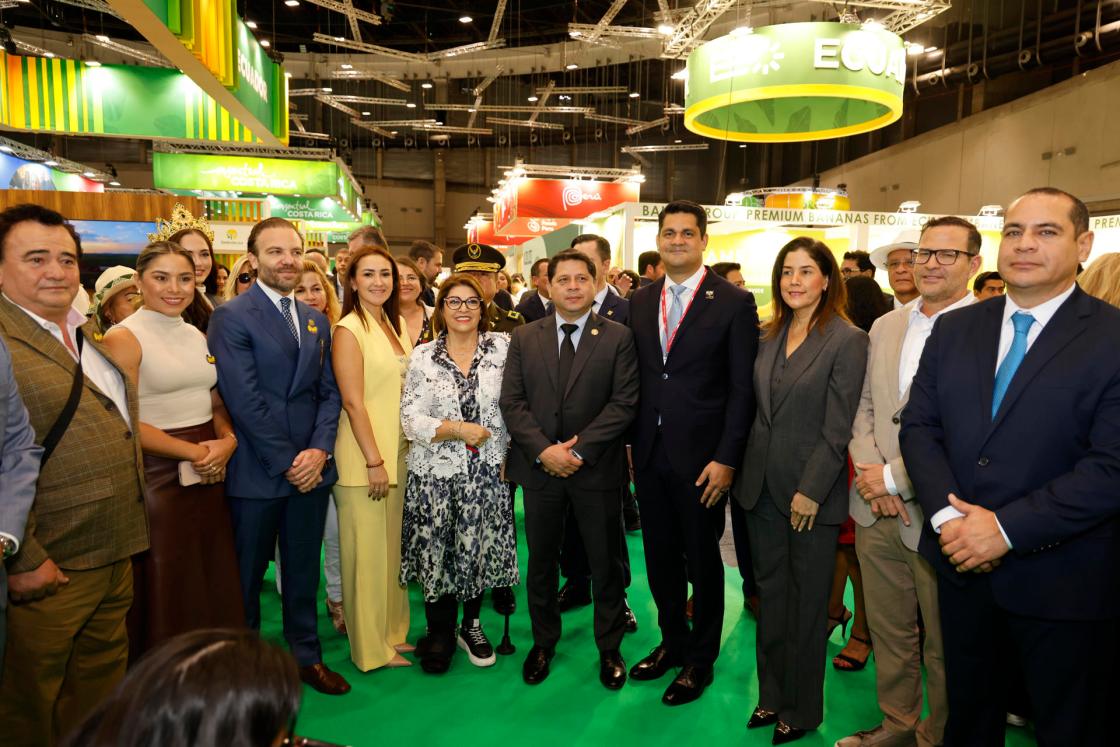
At the Fruit Attraction trade fair in Madrid, the Association of Ecuadorian Banana Exporters (AEBE) outlined producers’ initiatives to meet European Union standards while addressing criminal threats.
Shared responsibility against trafficking
“Sixty-six percent of Ecuador’s export cargo is bananas, and 30% goes to the EU,” said José Antonio Hidalgo, AEBE’s executive director and coordinator of Ecuador’s Banana and Plantain Cluster.
He stressed the importance of tackling trafficking together:
“This challenge is not of a single country or sector, but a transnational problem we must address together. Only through international cooperation and transparency in our value chains can we strengthen the sustainability of bananas.”

Hidalgo explained that all actors in the supply chain—retailers, shipping companies and others—must be involved in this shared security project.
$100 million a year for security
According to Hidalgo, Ecuador’s banana sector invests $100 million annually in security measures, including a “Safe Farms” protocol.
Since 2023, all containers at Ecuadorian ports have been scanned before shipment, while a secure cargo initiative with the EU is being rolled out.
He cited early successes: seizures of drugs hidden in Ecuadorian shipments dropped from 121 tons in Antwerp (2023) to 44 tons in 2024, and from 12 tons to 8 tons in Rotterdam during the same period.
Hidalgo also emphasized the need for technical cooperation with Spanish ports, which are critical entry and transit hubs for Ecuadorian bananas.
Fair prices for fair wages
Beyond security, Hidalgo underlined Ecuador’s commitment to deliver bananas that are “high-quality, socially and environmentally responsible, and above all, safe.”
“There are fair stories behind every one of our products. A fair price must be recognized to stop bananas from being the cheapest fruit on the shelf and used as a simple loss leader,” he said.
The industry, he added, is committed to dignified wages, an occupational health manual drafted with unions, and partnerships with the government to prevent child labor.
Looking ahead: Banana Time 2025
At Fruit Attraction, Ecuador’s pavilion was inaugurated by Agriculture Minister Danilo Palacios and Spain’s ambassador to Ecuador, Wilma Andrade.
Next year, Banana Time 2025, Latin America’s largest banana industry convention, will take place from Oct. 14–17 in Guayaquil, organized by AEBE.
The event will focus on:
-
Global market dynamics and regulation.
-
Consumer trends.
-
Sustainability standards and organic certification.
-
Measuring water and carbon footprints as tools for improvement. EFE
EFE prepared this content with the support of the Association of Ecuadorian Banana Exporters.