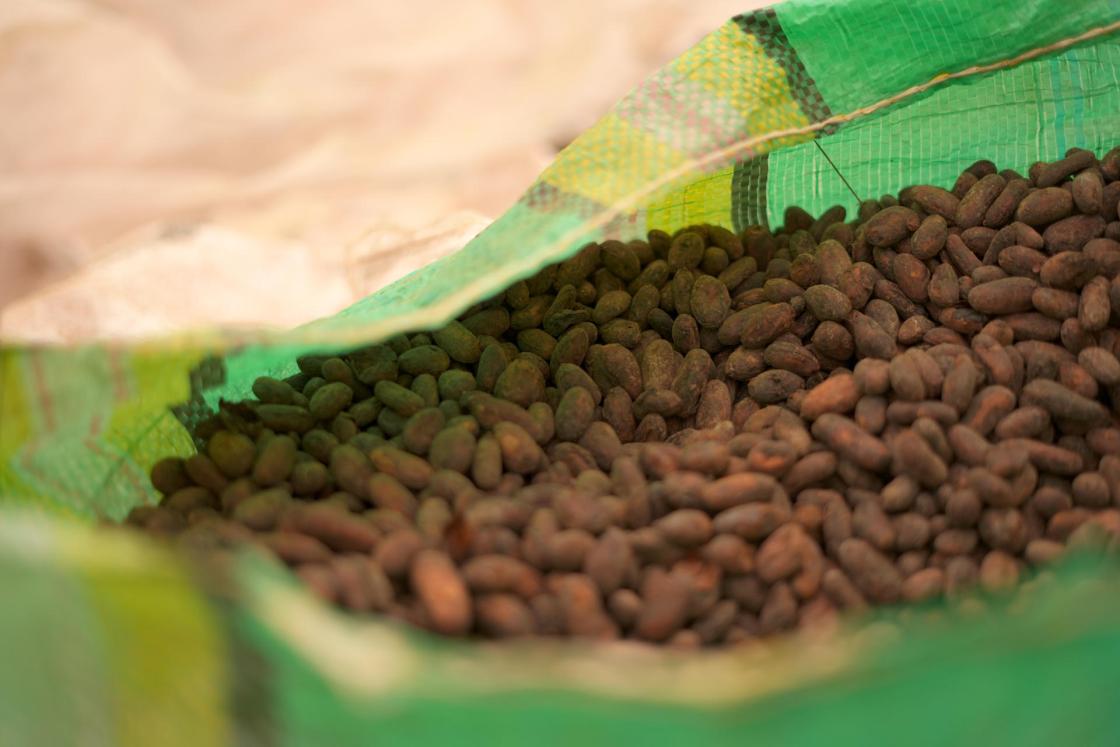
Zamora Chinchipe, Ecuador, Jul 31 (EFE).- Ecuador is cementing its position as a global leader in sustainable, deforestation-free food production, having now added cocoa, dairy, and guayusa to its portfolio of products made without new forest loss. The model, spearheaded by coffee, is already being exported to European Union markets.
After efforts that began in 2017, Ecuador currently has over 139,000 hectares in transition to sustainable, deforestation-free production. It also manages more than half a million hectares under responsible forest management and has restored around 1,000 hectares of forests and landscapes.
“With the transition to sustainable production systems, we aim to improve yields, promote field schools for innovative methods, establish agribusiness centers, and strengthen value chains,”
— Jessica Gallegos, undersecretary for Climate Change at the Ministry of Environment, Water and Ecological Transition (MAATE), told EFE.
Community-driven climate initiatives take root
Ecuador has also strengthened community organizations committed to forest conservation through the PROAmazonía and Payment for Results programs.
These efforts are aligned with the international mechanism REDD+ (Reducing Emissions from Deforestation and Forest Degradation), coordinated by the Ministry of Agriculture and Livestock and MAATE, with support from the United Nations Development Programme (UNDP).
A global model attracting interest
“The world is looking to Ecuador as a model for sustainable, deforestation-free production. Delegations from Vietnam and Honduras, among others, have already visited the country to learn from its experiences,”
— Inka Mattila, UNDP’s resident representative in Ecuador, told EFE during a field visit to Zamora Chinchipe and Loja.
Mattila highlighted adaptation, innovation, public policy, partnerships, intercultural approaches, and agribusiness centers as pillars of the strategy, which has benefited more than 70,000 people.
Strategic international partners include the EU, United Kingdom, and Italy, while Ecuador’s biodiversity, location, and microclimates offer an edge for sustainable investment.
“The United Arab Emirates, for example, wants to start producing here,”
— said Byron Montero, deputy minister for Agricultural Productive Development.
A coffee with history
Ecuador made headlines last year by exporting deforestation-free coffee to Italy. To celebrate, Mario Cerutti, sustainability manager at Lavazza, personally delivered cans to growers at Fapecafes, packaged in the colors of the Ecuadorian flag.
“It’s good coffee that comes with added value: respect for nature, the environment, and the producers,”
— Cerutti told EFE.
Lavazza, which initially bought one container in 2022, has increased purchases to five this year, with plans to double by 2026 and expand sales across Europe.
Traceable dairy: dulce de leche meets sustainability
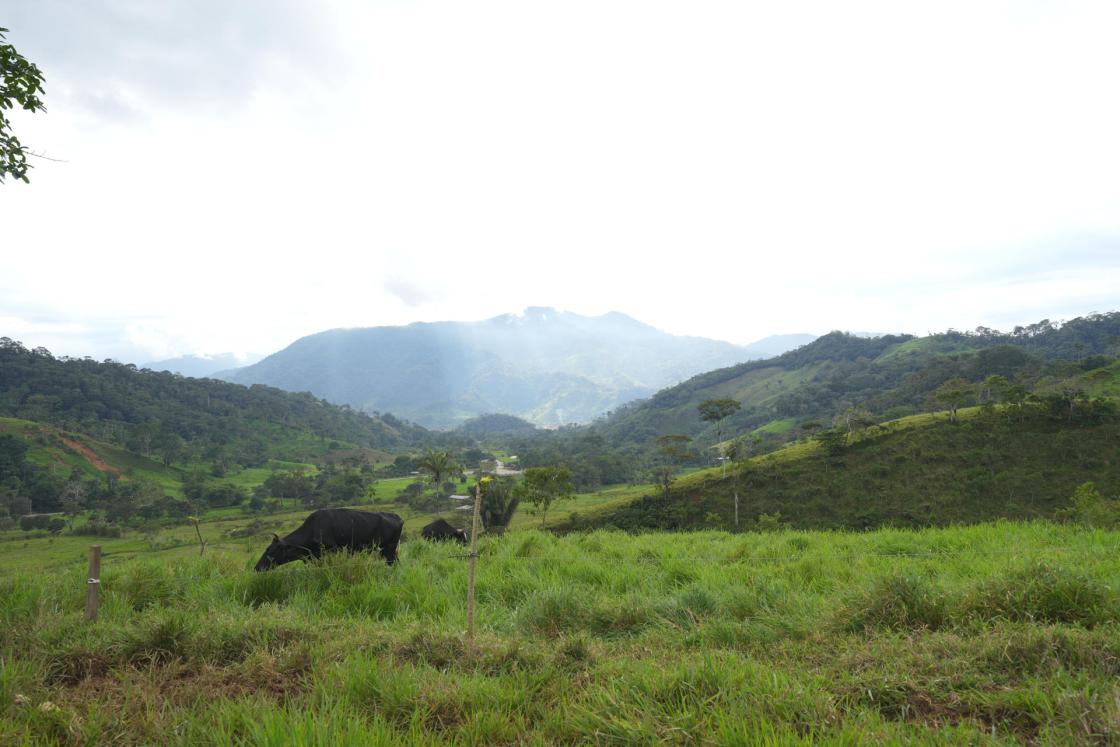
The livestock sector has embraced carbon footprint reduction through best practices like free-range grazing and better animal nutrition.
In Zamora Chinchipe and neighboring Morona Santiago, productivity rose by 25% across 108 farms, while emissions intensity dropped by 21% in one year, according to Milton Masache of the Zamora Chinchipe Livestock Production Cooperative.
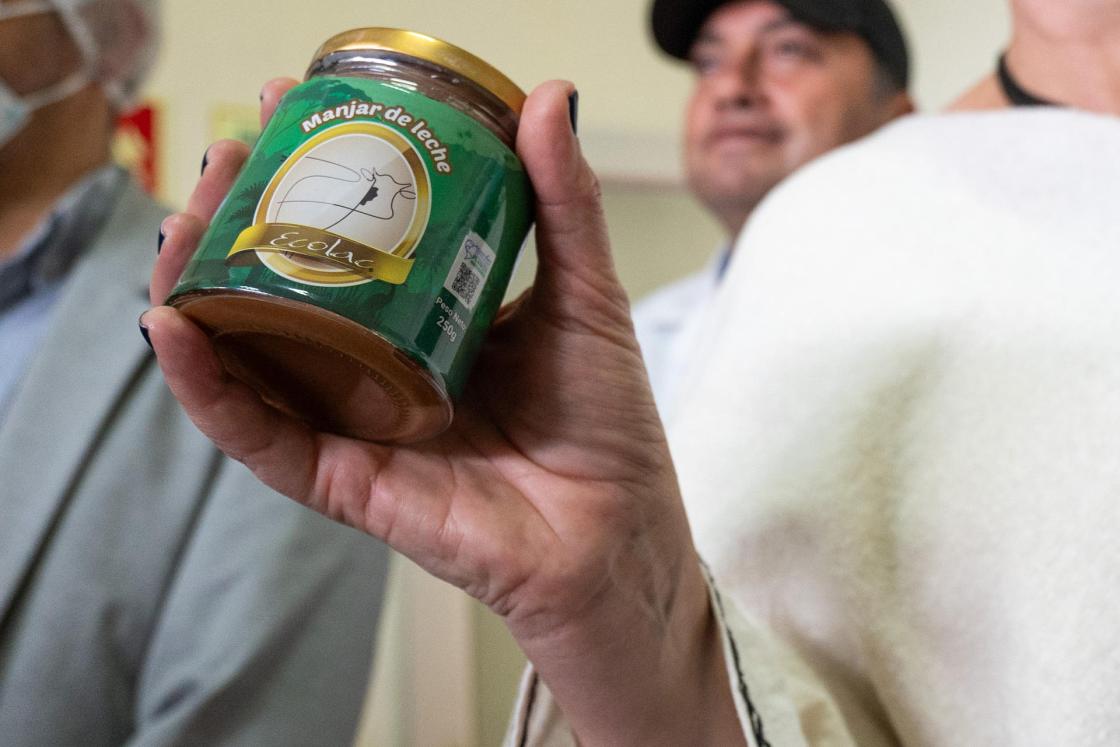
This has led to high-quality dairy products like dulce de leche, now produced at the Ecolac plant, the first to be deforestation-free and fully traceable via its packaging.
Guayusa: tradition blooms without deforestation
Guayusa, a sacred tea plant among Indigenous groups, has become a bio-entrepreneurial success, cultivated across 9,600 hectares by 417 Kichwa farmers—56% of them women.
“Guayusa was traditionally grown in family plots, but now it’s also cultivated on land once used for other crops, where no chemicals had been applied,”
— explained Yally Grefa, representative of the Guayusa Agricultural Production Association, in an interview with EFE.
Ten registered brands and four commercial agreements have emerged from this ancestral crop.
Ecuador’s message to the world: sustainable production is possible
With new export-ready, deforestation-free products, Ecuador is solidifying its position as a global model of sustainability.
“This is the kind of production the planet needs,”
— said UNDP’s Inka Mattila.
This content was published with support from the United Nations Development Programme (UNDP).