Guayaquil, Ecuador, Oct 28 (EFE).— Tariffs imposed by U.S. President Donald Trump have not stopped Ecuador, the world’s top banana exporter, from increasing shipments to the United States this year — a trend exporters say challenges Europe’s artificially low banana prices.
Tariffs fail to slow Ecuador’s export momentum
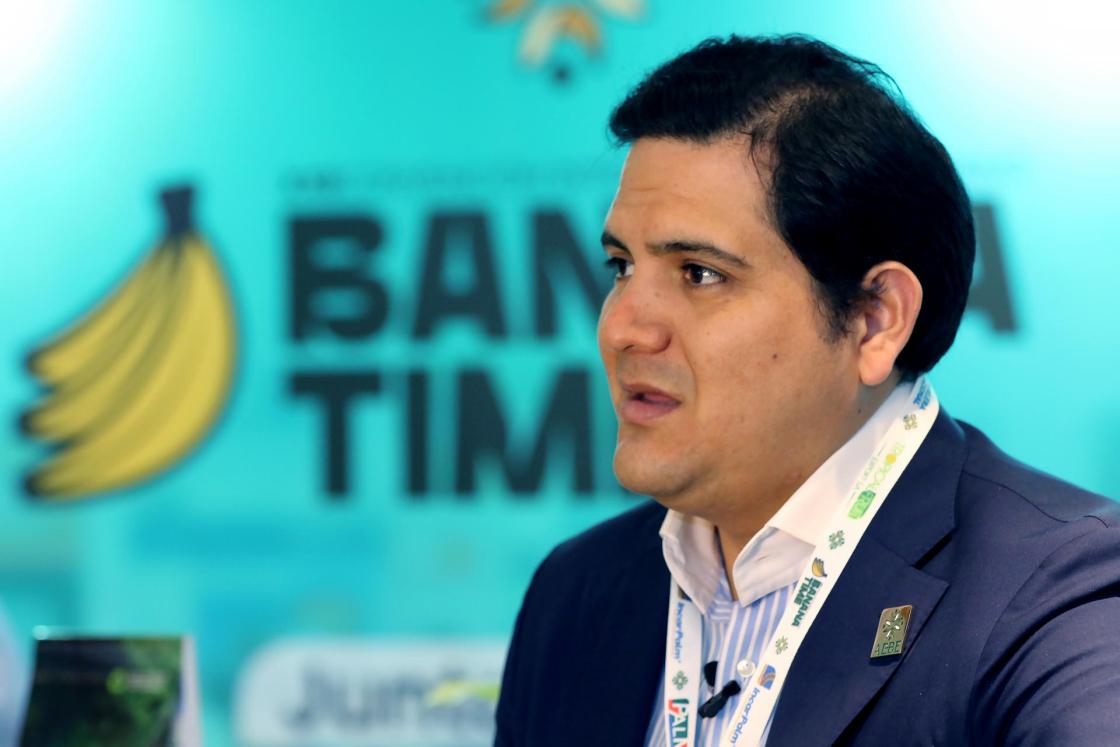
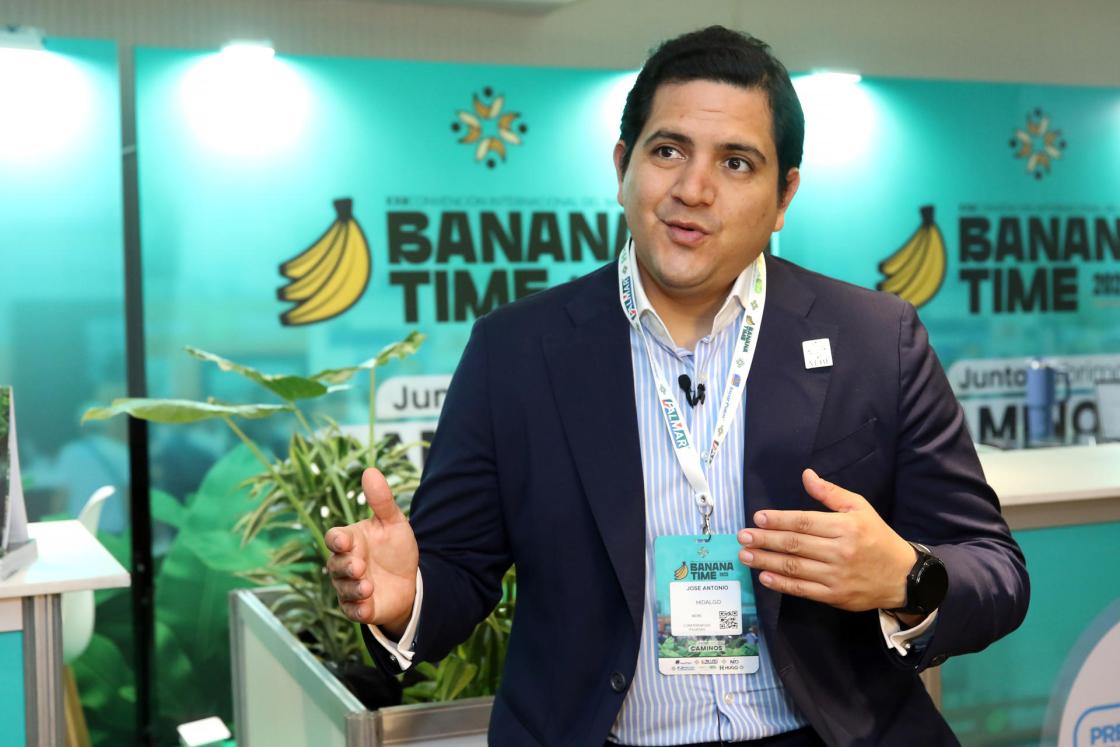
José Antonio Hidalgo, executive director of the Association of Banana Exporters of Ecuador (AEBE) and coordinator of the Ecuadorian Banana and Plantain Cluster, told EFE that exports to the U.S. market have grown 8.39% in cargo volume since early 2025, despite tariff increases from 10% in April to 15% in August.
“U.S. supermarkets have passed these costs on to consumers, yet people are still buying far more bananas than any other fruit,” Hidalgo said during Banana Time 2025, Ecuador’s flagship banana industry convention and the largest of its kind in Latin America.
By July 2025, Ecuador’s banana exports to the United States were worth $377 million, up 14.6% from the same period in 2024. The U.S. is Ecuador’s largest banana market after the European Union, Russia, and the Middle East.
“We realized that passing on those costs didn’t hurt demand; it actually increased it. That’s the message for Europe,” Hidalgo noted.
Fair pricing in Europe
Hidalgo emphasized that the banana value chain still faces major challenges. He called for fair recognition of the fruit’s real value and the work of producers, particularly in light of supermarket pricing strategies that keep retail prices too low.
“Now (with the U.S. tariffs), we see proof that when prices go up, consumption also rises,” he said.
“We have to stop being the cheapest fruit on supermarket shelves in Europe. Supermarkets must take responsibility toward consumers,” he added, stressing that bananas “should be sold with an appreciation of the fair stories behind sustainability, safety, and quality.”
European supermarkets join the discussion
The German supermarket chain Aldi took part in Banana Time 2025, held in Guayaquil from Oct. 14–17, to present its long-term purchasing policy aimed at ensuring fair prices for both consumers and producers.
“That was an important message for the global industry. We hope more supermarkets will follow that example,” Hidalgo said.
Ecuador’s competitiveness in Asia
In the Asia-Pacific region, AEBE sees major opportunities for Ecuador to expand exports of its premium bananas to China, South Korea, and Japan.
The country’s 310,000 hectares of banana and plantain plantations, combined with the gradual reduction of import tariffs, have created favorable conditions in those markets.
South Korea as a success story
Hidalgo cited South Korea as the best example. When its government temporarily cut tariffs on Ecuadorian bananas from 30% to 0% for one year, exports surged by 200%.
In 2024, Ecuador’s banana exports to South Korea totaled $46 million, up from $15 million in 2023. By July 2025, sales reached $33 million, a 23% increase over the same period in 2024.
Long-term growth in Asian markets
AEBE expects a similar trend in China, where a free trade agreement effective since 2024 will reduce tariffs by one percentage point per year until they reach 0% in 2034.
Exporters see this as a long-term growth opportunity for Ecuador’s banana sector, supported by increasing demand for premium-quality fruit across Asia.
EFE published this report with the support of the Association of Banana Exporters of Ecuador.