Santiago, Mar. 28 (EFE). — IDB Invest, the financial arm of the Inter-American Development Bank (IDB), announced Friday its goal to double the number of investors in Latin America and the Caribbean, urging the private sector to increase its presence in the region.
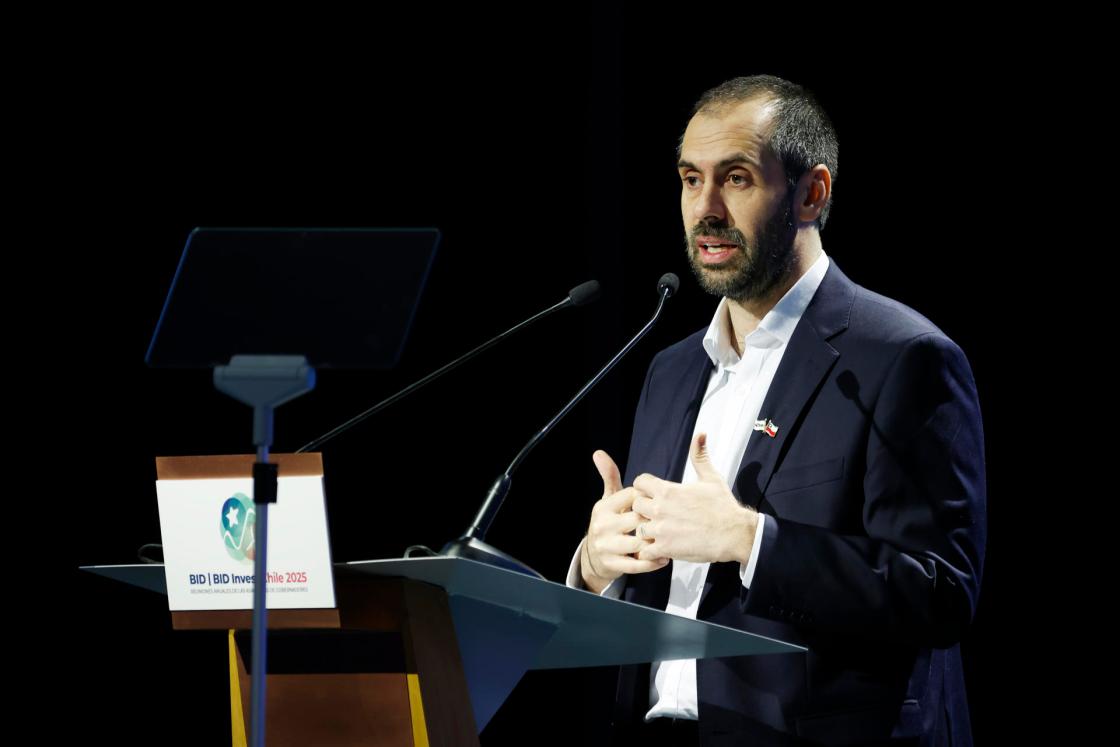
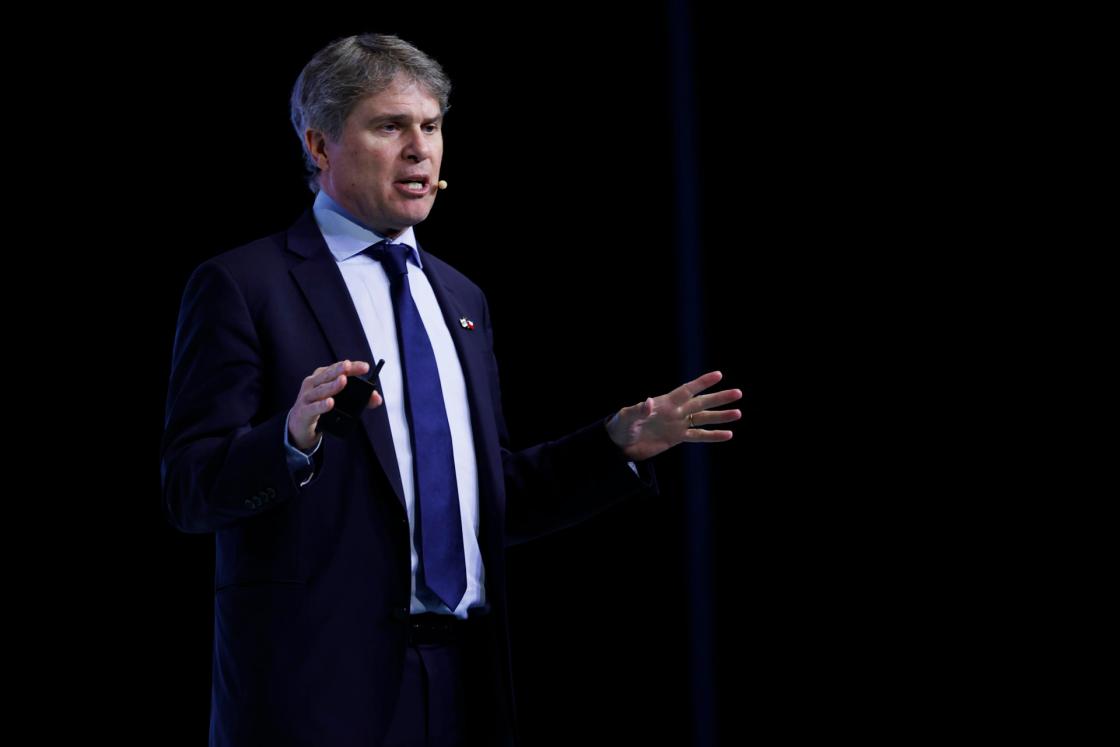
James Scriven, CEO of IDB Invest, addressed a business forum held in parallel with the annual meetings of the IDB and IDB Invest—set to conclude Sunday in the Chilean capital. He noted that the institution had already attracted around 260 investors or co-investors in recent years.
“We’ve already mapped 500 investors who are willing or able to invest in Latin America and the Caribbean, and we won’t stop until those 263 become 500,” said Scriven.
A Shared Interest in Regional Development
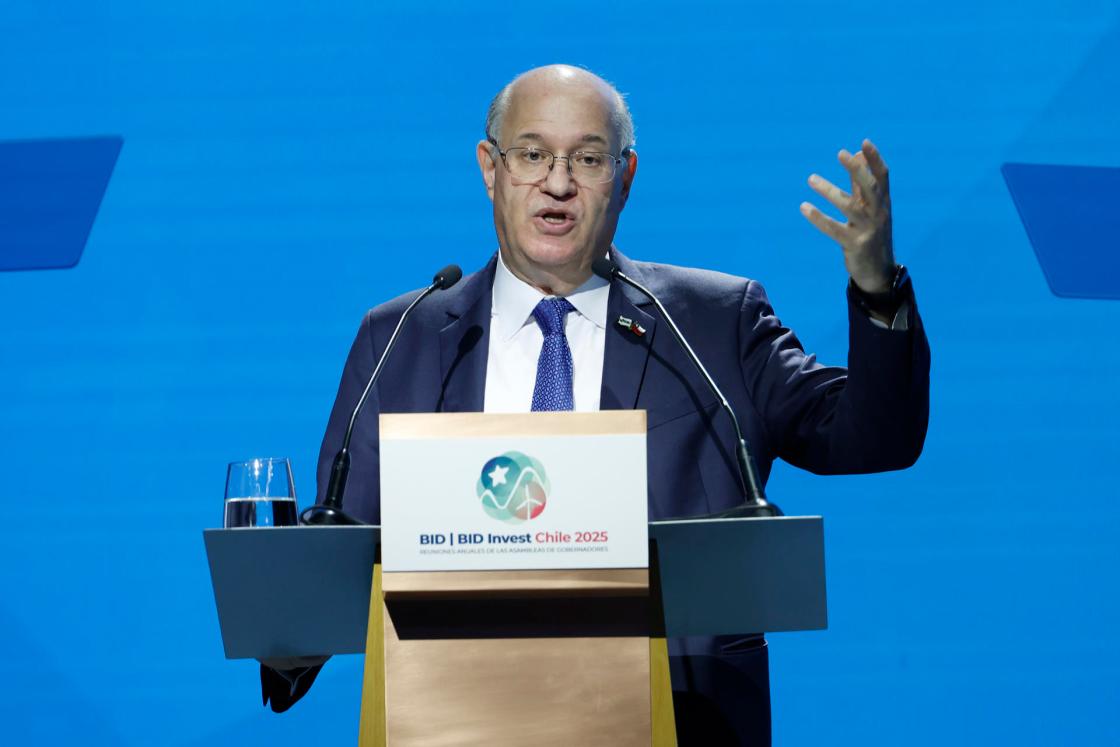
IDB President Ilan Goldfajn, also speaking at the forum, emphasized that private-sector involvement in development is not merely strategic, but essential.
“The role of the private sector in development is not just an economic or tactical strategy—it’s a shared interest that unites the region and drives job creation,” he said.
Goldfajn stressed that private investment would “strengthen industries, improve competitiveness, and benefit businesses, workers, and communities alike.”
The bank pointed to a $4.2 trillion funding gap in emerging markets necessary to meet Sustainable Development Goals (SDGs). Of this, $2.2 trillion is needed in Latin America and the Caribbean for infrastructure investment over the next five years.
Meanwhile, nearly $53 trillion in global financial assets could potentially be mobilized for this purpose.
“But money alone isn’t enough,” Goldfajn added. “Investors need more than just our financing. They need the right conditions to thrive. It’s essential to create an enabling environment for mobilizing resources.”
Contracts, Sectors, and the Enabling Environment
The IDB finances roughly $4.5 billion annually in procurement for development projects, generating over 12,000 contracts in sectors like health, water, energy, transportation, agriculture, and digital infrastructure.
“A strong economy is built on an efficient public sector that balances the need for regulation with policies that enable and provide flexibility for private-sector development,” Goldfajn said.
Chilean Minister of Economy, Development and Tourism Nicolás Grau echoed the sentiment, citing bureaucratic bottlenecks.
“Permitting is a competitive weakness in our country, even as we work to create conditions that place new investments and innovations at the forefront of tackling environmental challenges,” Grau said.
Global Collaboration for Regional Leadership
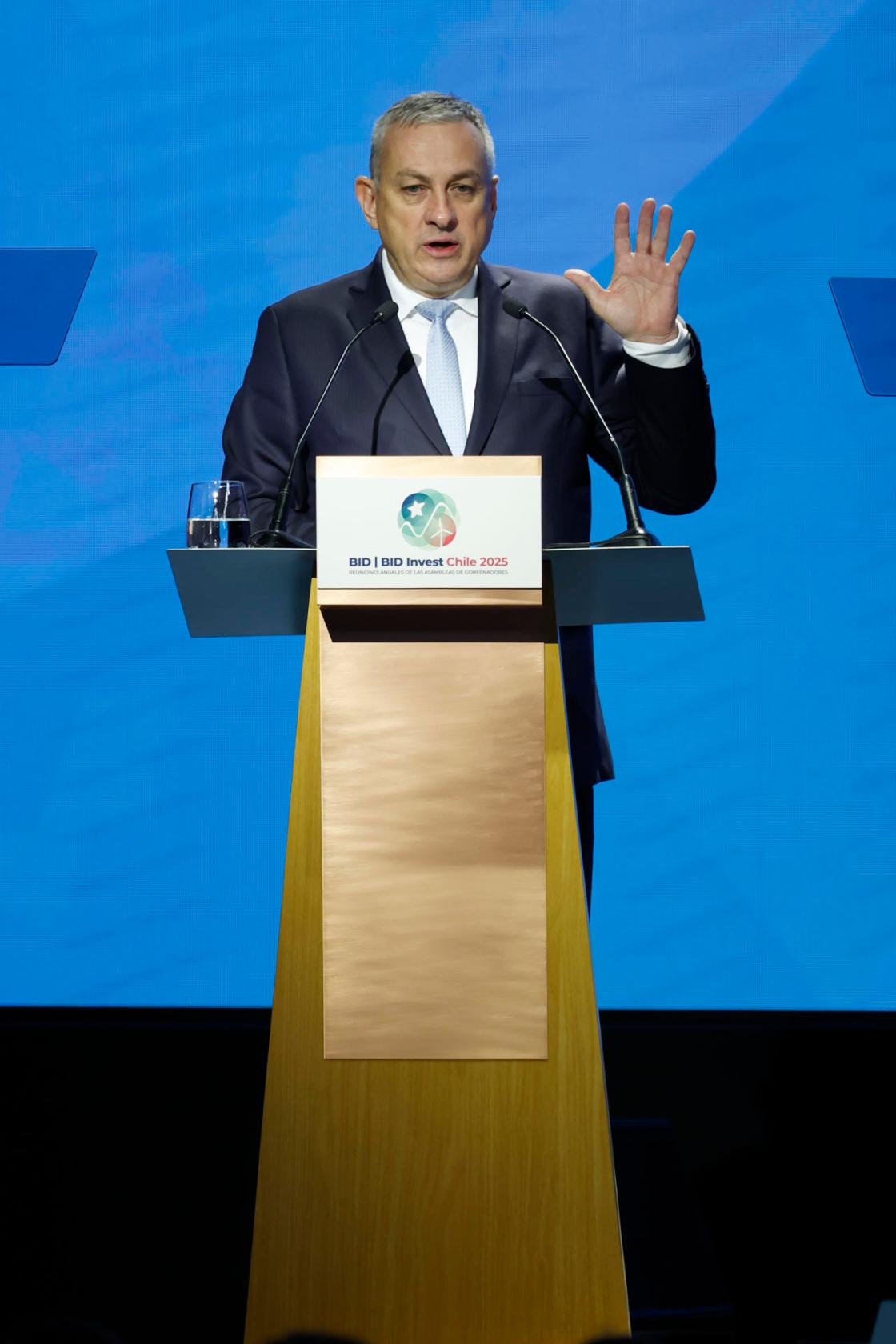
European Commissioner for International Partnerships Jozef Síkela emphasized the need for transatlantic cooperation.
“Europe, Latin America, and the Caribbean are united by a commitment to democracy, human rights, and universal values, as well as by the ambition to strengthen competitiveness and lead global sustainability initiatives,” Síkela said.
“Today, we stand united on the global stage to face some of the most pressing challenges of our time, from fighting climate change to defending the international order.”
The IDB sees a growing urgency to attract more investors and spur private-sector growth to drive employment, innovation, and sustainability. The bank believes that Latin America and the Caribbean are well-positioned to lead in tackling many of the world’s greatest challenges.
A Milestone Gathering
The annual meetings, hosted at the Estación Mapocho Cultural Center, officially convened Friday with the 65th IDB Board of Governors Assembly and the 39th IDB Invest Assembly, comprising finance and economy ministers and senior officials from across the region and member states. EFE