

Astana, Jun 12 (EFE).- Kazakhstan and the EU launched the Coordinating Platform on Wednesday to enhance the capacity of the Trans-Caspian Transport Corridor, an alternative route between Asia and Europe that bypasses Russia, which has been sanctioned due to the war in Ukraine.
“The Trans-Caspian corridor is of special relevance,” stated Henrik Hololei, Hors-Classe Adviser at the Directorate-General for International Partnerships in the European Commission, during the project’s presentation. He linked the promotion of this route to the sanctions against Russia.
The Estonian official recalled that “many goods are transported from China to Europe via the northern corridor through Russia, but due to the anti-Russian sanctions, many Western companies are trying to avoid this route.”
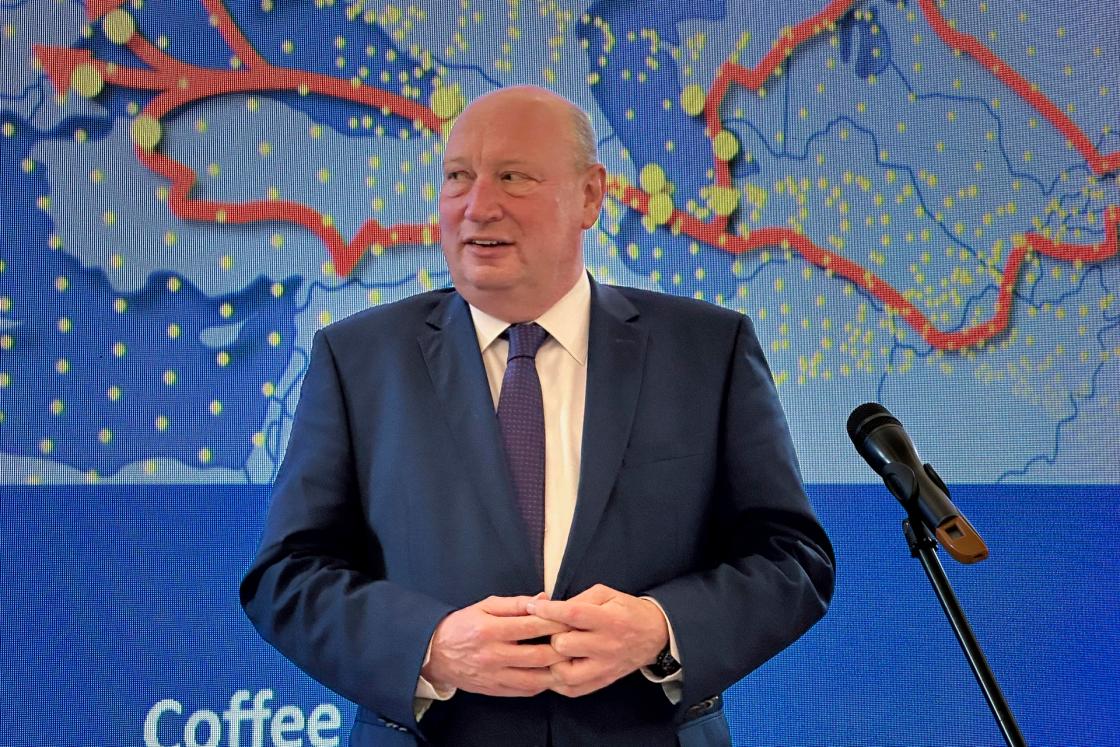
When asked if this initiative was related to the war in Ukraine and the restrictions imposed on Moscow, he responded with a categorical “Yes!”
However, he acknowledged that “the Trans-Caspian corridor is still not as efficient and competitive as it should be,” a situation the Coordinating Platform aims to reverse.
“That’s why we are paying so much attention to it,” he said, noting that it is a new route he described as a “renaissance of the Great Silk Road.”
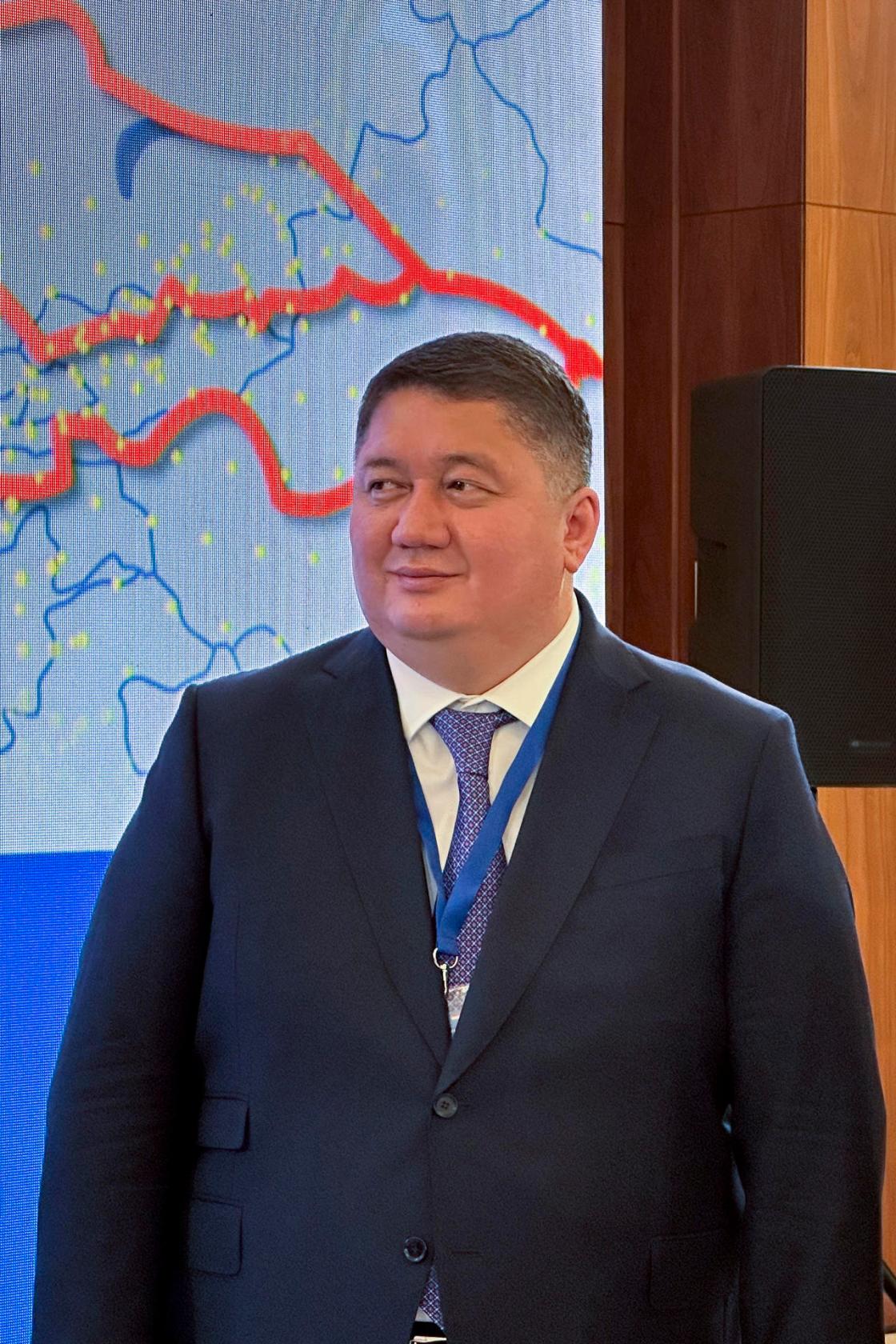
Meanwhile, Maja Bakran, Deputy Director General for Mobility and Transport, European Commission, stated that the newly established Coordinating Platform “will be instrumental in making the Trans-Caspian Transport Corridor a multimodal, modern, competitive, sustainable, predictable, smart and fast route linking Europe, the Caucasus and Central Asia.”
The new platform will seek to synchronize the legal frameworks, customs regulations, information systems, and infrastructure of the countries through which this route passes.
Kazakhstan’s Deputy Minister of Transport, Talgat Lastayev, highlighted the European Commission’s readiness to attract the participation of major European financial institutions in this project.
“The total value of this project amounts to $10 billion, aimed at implementing 14 secondary projects in five Central Asian republics,” he said.
This initiative, he noted, will reduce the transportation time from China to Europe from 45 days to just 12-15 days. EFE