
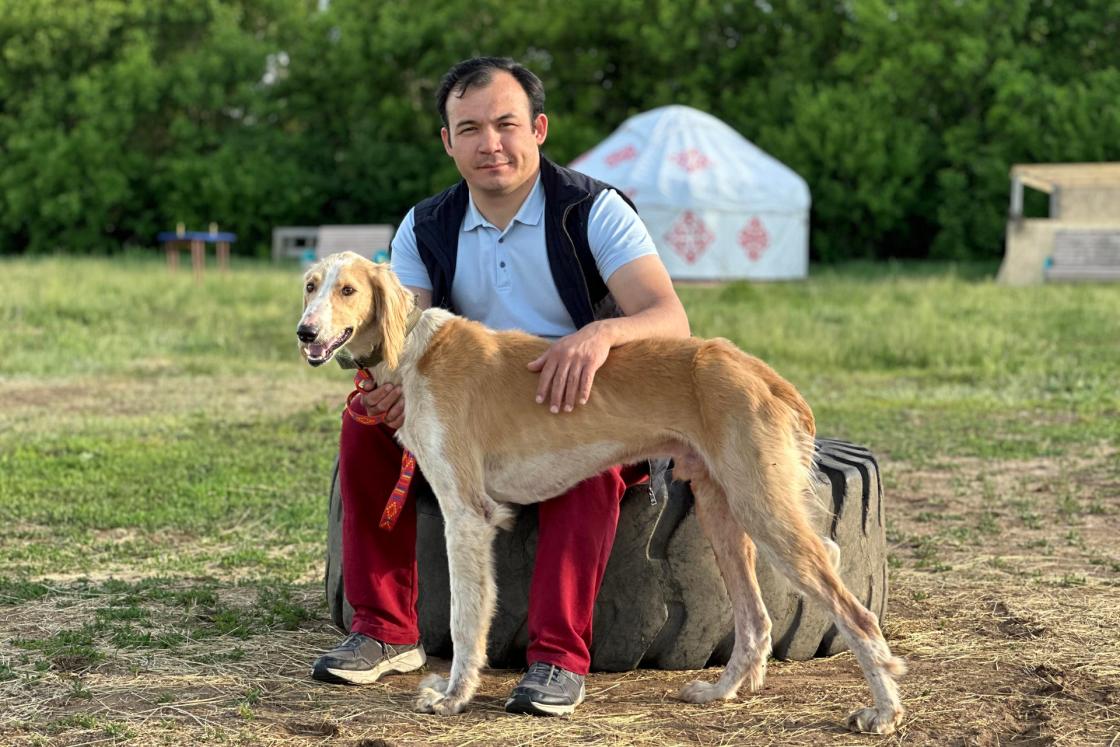
Astana, May 26 (EFE).- Kazakhstan is working to revive the population of its national dog breed, the Tazy — a type of sighthound historically trained not only for nomadic herding but also for hunting wolves.
Tazy dog breed gains national recognition in Kazakhstan
Over the past decade, the Kazakh government and grassroots initiatives have sought to enshrine the Tazy as a national treasure and a source of regional pride, recognizing it as one of the oldest dog breeds in the world.
“The Tazy is a uniquely Kazakh breed of hound. Our President and Government are taking systematic steps to preserve and revive many beautiful traditions and aspects of Kazakh heritage. The Tazy rightfully holds a place among them,” Kazakh Deputy Foreign Minister Roman Vassilenko told EFE.
Three years ago, Kazakh President Kassym-Jomart Tokayev signed a law aimed at preserving the breed, which is medium-sized, slender, and athletic. Today, the Tazy population has grown to more than 3,500 dogs.
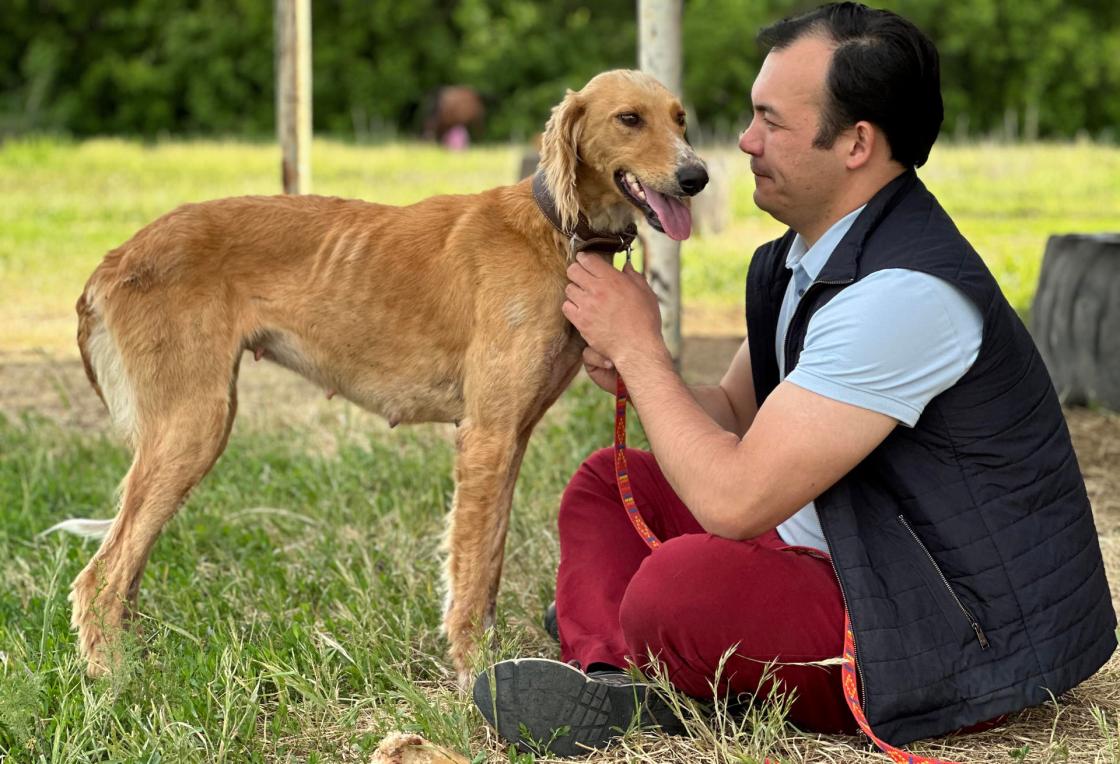
Presidential Tazys and Kazakhstan’s canine diplomacy
President Tokayev owns three purebred Tazys — named Ronnie, Nancy, and Nauryz — and in 2023, he gifted two puppies to French President Emmanuel Macron during a visit to Astana.
“When President Macron saw the dogs during a visit to Astana and expressed admiration for them, President Tokayev promptly decided to gift him two puppies. We are pleased that they have found a warm home at the Élysée Palace and devoted, loving caretakers in President and Madame Macron,” Vassilenko said.
“These graceful and agile four-legged ambassadors, without uttering a word, convey a powerful message through their penetrating gaze and unwavering loyalty, promoting our values of peace and harmony,” Vassilenko added.
Tazy officially recognized as Kazakhstan’s national dog breed
In 2024, the Fédération Cynologique Internationale (FCI) officially recognized the Tazy as Kazakhstan’s national dog breed and granted the country custodianship over the breed standard.
The Tazy stands apart from the Spanish greyhound due to its distinctive coat — medium-length, dense, and slightly wavy.
They are believed to be descended from the Saluki, the Persian greyhound brought to the region by Muslim missionaries. The Tazy has unique behavioral traits that distinguish it from other sighthounds, including notable guard-dog instincts.
Trained to defend: The Tazy’s ancient role in wolf hunting
“Tazys have helped their owners protect livestock from steppe predators since time immemorial,” said Abzal Dossyman, director of the Naiza Public Foundation, which has worked to breed the dogs for over a decade.
Though bred for hunting, their main attribute is not their speed, although they are well-conditioned from running alongside steppe horses. Their defining trait is their skill in defending flocks and people from wolves.
“One of their key characteristics is that they’re friendly with people and non-aggressive toward other animals. But they absolutely relentless when it comes to wolves,” said Dossyman from his ranch, where horses share the land with packs of the breed.
Traditional training methods preserve the Tazy’s instincts
Dossyman attributes this behavior to a strict training regime passed down from his grandfather, who also raised the dogs.
“As soon as the puppies were born, he would place a wolf pelt beside them so they’d become accustomed to the predator’s scent,” he explained. “By four or five months old, they were already being taken out on hunts.”
According to Dossyman, Tazys were traditionally kept hungry for several days and were only fed after a successful hunt, with wolf meat.
“Some may criticize us for what they see as cruelty to animals,” he said. “But this is exactly how Kazakhs raised the Tazy to be true hunters and fearless guardians who weren’t afraid fight the gray-coated predator.” EFE