
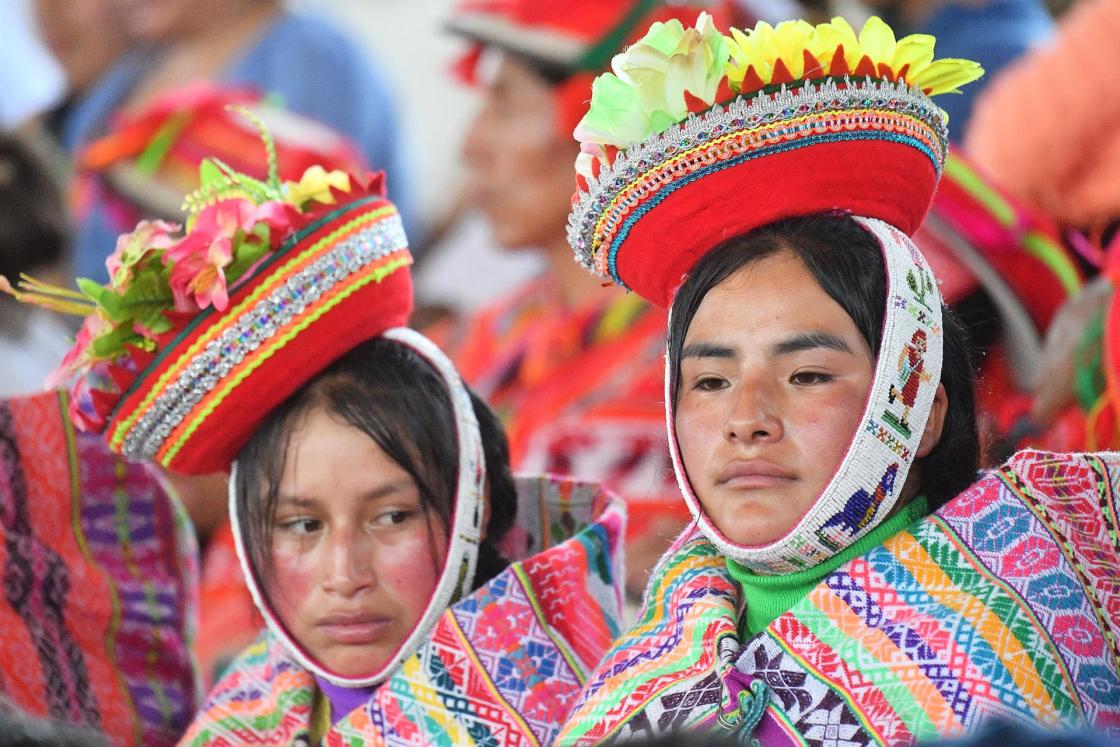
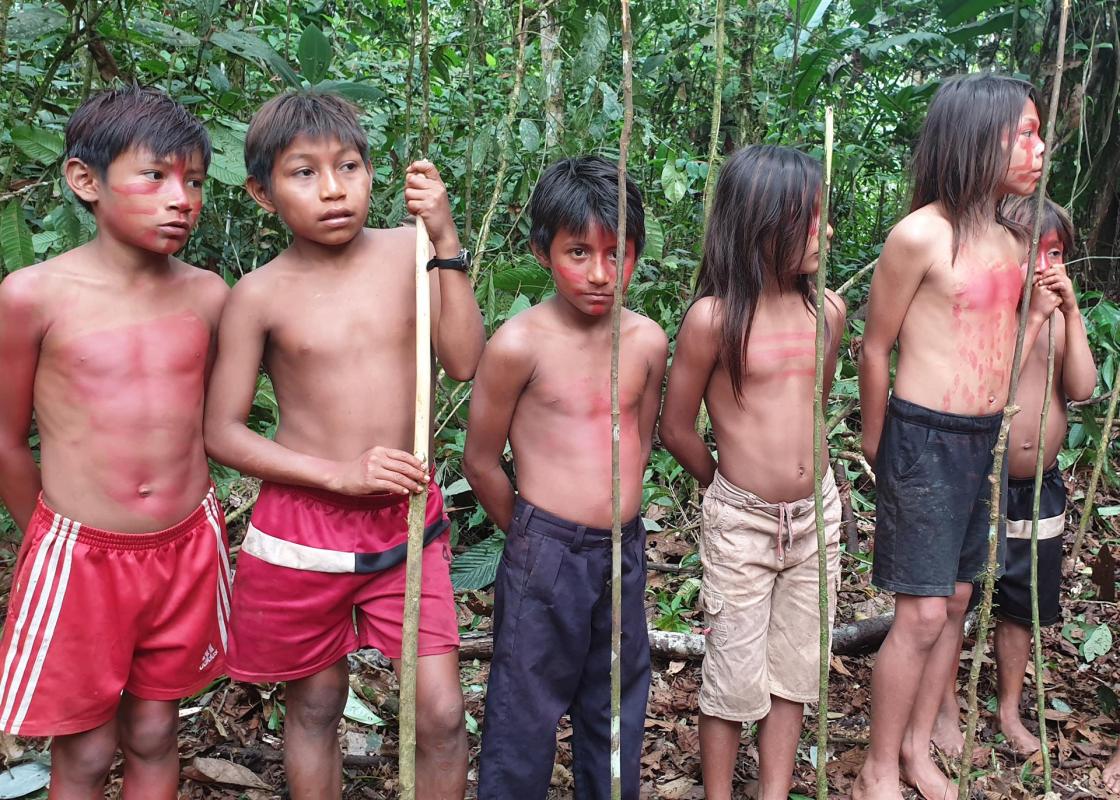
Lima, Mar 30 (EFE).- Peru’s Culture Ministry presented Monday a version of the national anthem sung by a children’s choir in Spanish, Quechua, Ashaninka, Aymara, Shipibo-konibo and Awajun, and performed by the country’s National Symphony Orchestra.
“This version of the anthem means that we can do things well. That when Peruvians are united we can shout an injustice louder than a goal. That we can put on the Peru shirt when we see that people need it,” Culture Minister Alejandro Salas said during the presentation.
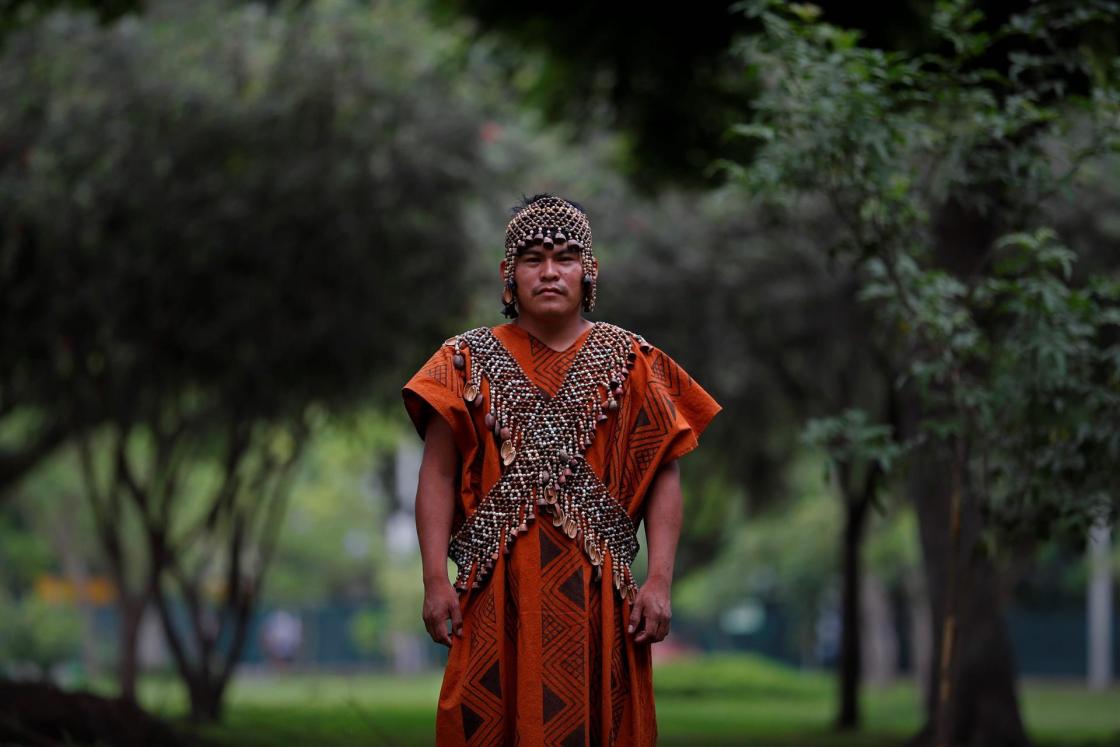
The interpretation of the anthem aims to revalue indigenous and native peoples, seek their recognition and strengthen their identity, especially in the most remote communities and ethnic groups in the country.
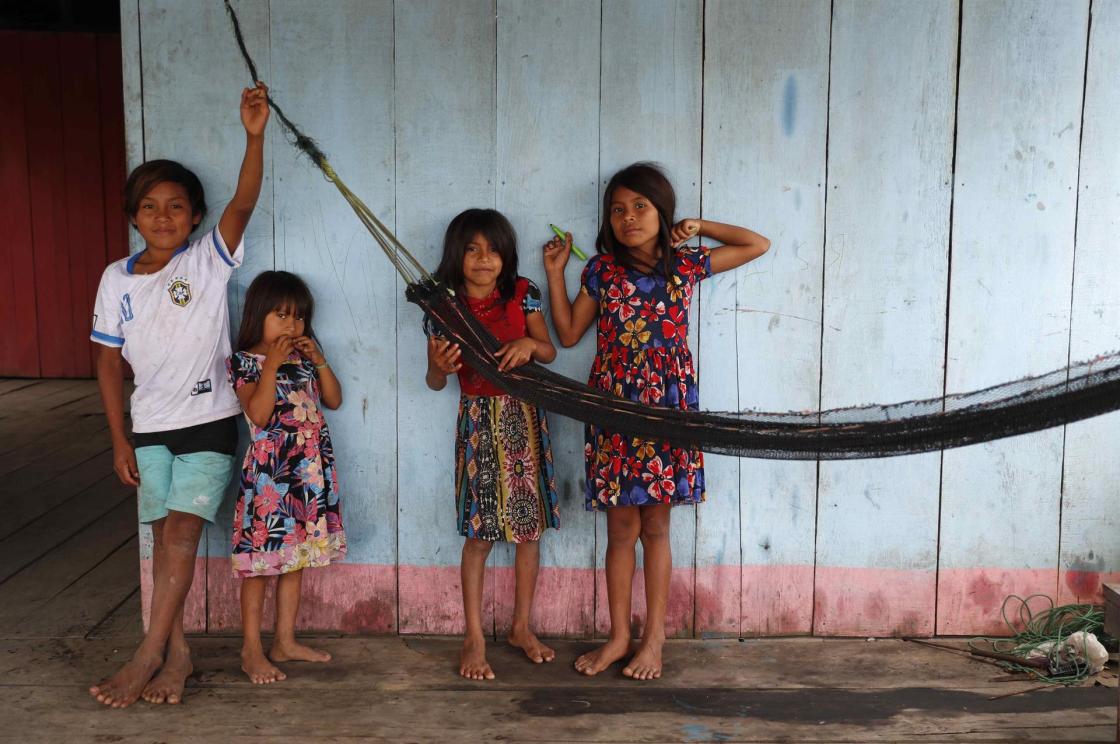
“We must all look with responsibility and hope at the country that we want to give our boys and girls. Peru is not only Lima, in the country there are towns that wait for all of us. We have 48 languages and this is the way to recognize them. We reflect what our diverse Peru is,” the minister said.
In addition to Spanish, five languages of native peoples were chosen to represent the country: Quechua (the native language of the Andean peoples), Ashaninka (used by the Amazonian people of the same name), Aymara (spoken mainly in the south of the country around Lake Titicaca), Awajun (a native Amazonian language) and Shipibo-Konibo (spoken by people around the Uyacali River basin.)
“We have seen children who represent the future of our beloved Peru sing the national anthem. It is time to reflect on the country that we want to leave them,” Salas said.
The Culture Ministry presented this new version of the anthem through a video that shows the children’s choir in different landscapes of Peru, typical of each language included, such as the Amazon, Puno, Huancavelica, Bandurría and La Merced.
Salas also said this initiative came from the country’s president, Pedro Castillo, unable to attend the presentation and who was facing a no confidence vote Monday debated in congress. EFE
pbc/lds