
Guatemala City, Apr 21 (EFE).– A privately-run social initiative known as Guatemaltecos por la Nutrición is proposing a comprehensive strategy to combat malnutrition in Guatemala, a crisis that affects one in every two children in the country.
Fighting Malnutrition in Guatemala with a New Approach
Researcher and engineer Ramiro Bolaños, president of the think tank Factorial Libertatis, said the initiative could serve as a viable solution to Guatemala’s longstanding hunger crisis. According to official figures, malnutrition in Guatemala impacts half of all children, making it one of the country’s most urgent public health issues.
Guatemaltecos por la Nutrición: A Model for the Nation
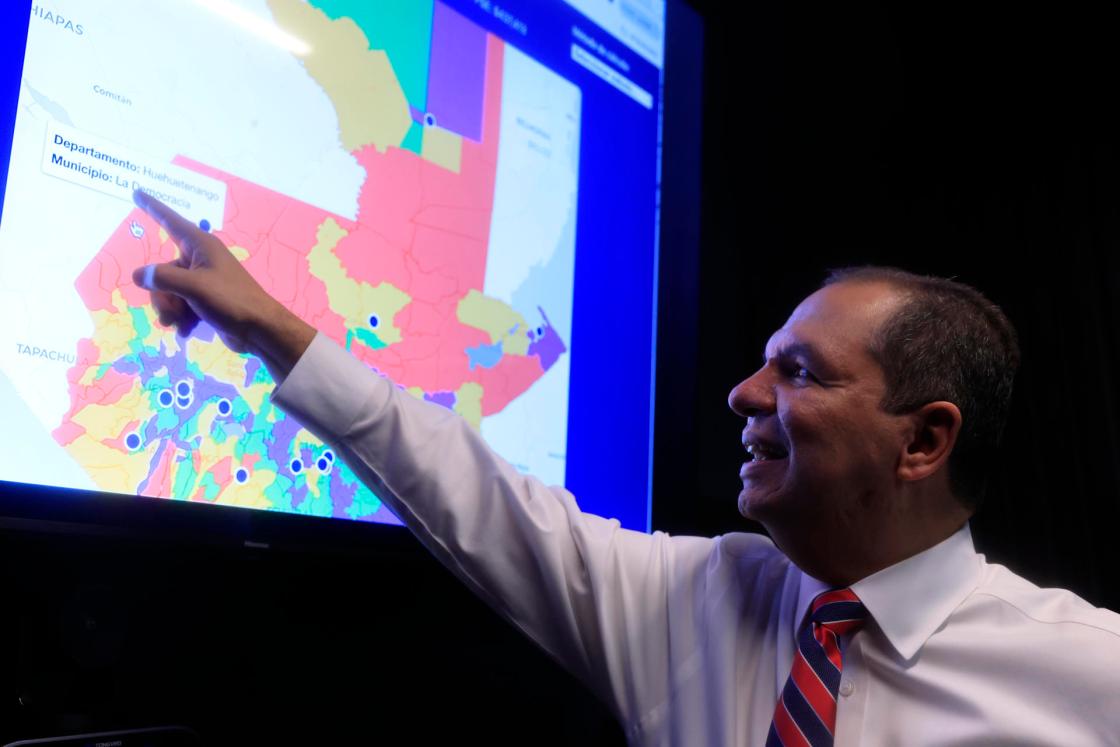
Bolaños and his organization observed the project firsthand in Huehuetenango, a department in western Guatemala bordering Mexico.
“The first thing that caught our attention was the cheerful faces of the staff who welcomed us,” Bolaños said. He emphasized that the team behind the initiative “know they’re transforming lives.”
Launched by business conglomerate Castillo Hermanos, the program has invested $15 million to combat food insecurity. It operates through mobile camps, which have been active since April 2023 in three municipalities of Huehuetenango.

Early Detection and Comprehensive Care
“There are labs where they measure the children’s height to ensure it’s appropriate. Blood tests are also done to measure iron levels,” Bolaños explained. This setup allows for early signs of malnutrition to be detected in seconds, facilitating rapid response and care.
So far, over 10,000 health services have been delivered under the program in Huehuetenango.
A Scalable Solution for Malnutrition in Guatemala
Bolaños described the program’s “comprehensive” model as one that could be replicated and scaled across all 340 municipalities in Guatemala.
With 59% of the country’s 18 million residents living in poverty, malnutrition remains a persistent challenge. Over the past five years, at least 200 children have died due to malnutrition, although experts suggest the real figure could be significantly higher due to underreporting and limited data collection, especially during the administration of Alejandro Giammattei (2020–2024). EFE
This content is published with the support of Cervecería Centro Americana.