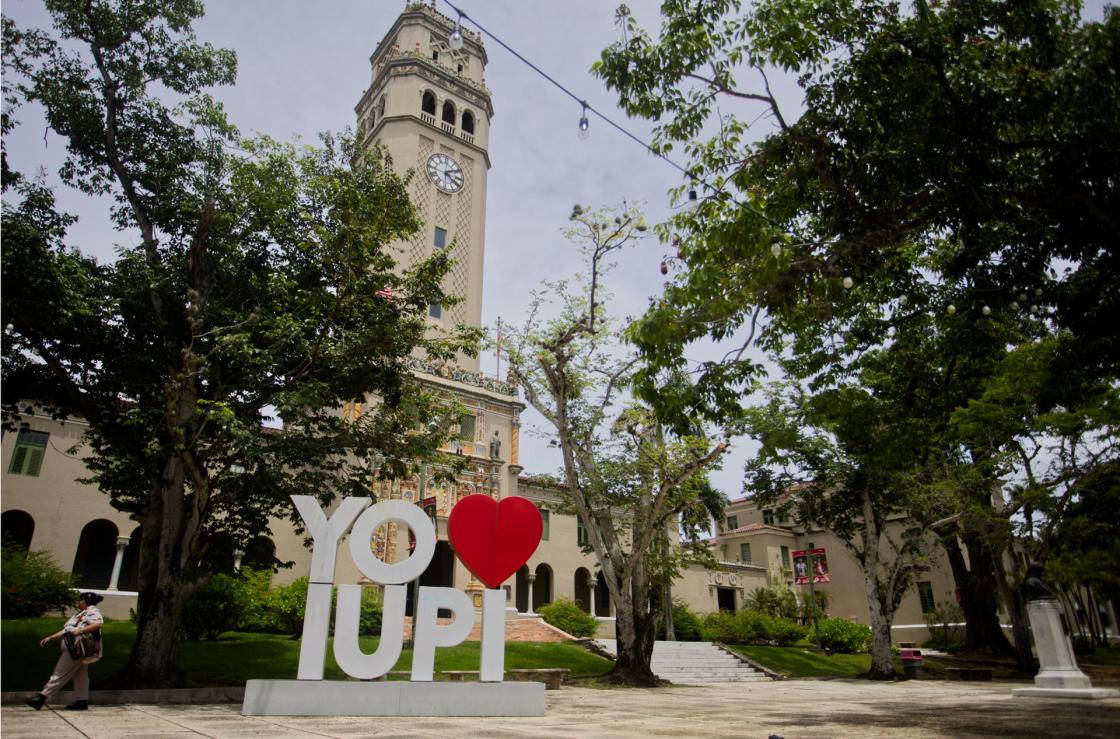
San Juan, June 5 (EFE).- Universities in Puerto Rico offer degrees recognized in the United States at a lower cost. Added to this are a bilingual system and excellent laboratories and clinics, which serve as incentives for attracting international students, especially Hispanic students.
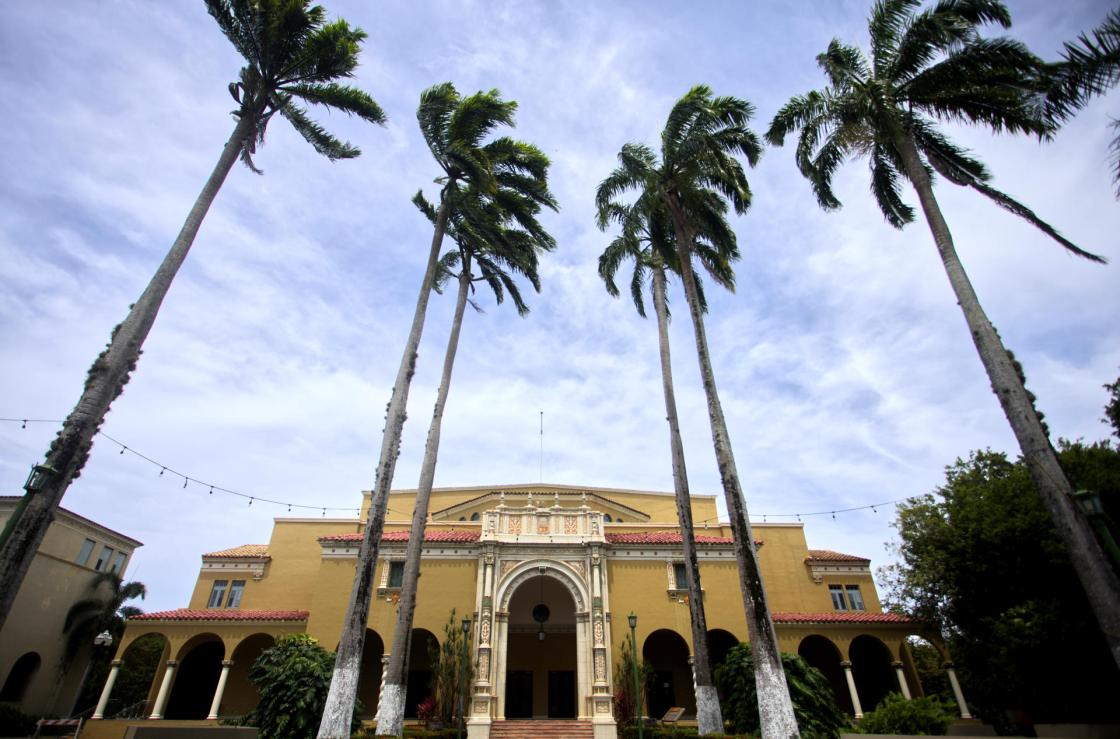
World-class institutions and a strategic location
“We have countless world-class educational, clinical, and research institutions, many of them recognized by US authorities,” Carlos Ríos, deputy secretary at Puerto Rico’s Department of Economic Development and Commerce (DDEC), told EFE.
These include the University of Puerto Rico, Ana G. Mendez, Interamericana, Pontificia Católica in Ponce, and the Molecular Science Research Center, which has characterization laboratories that industries use for their research.
“Apart from Puerto Rico’s educational and clinical ecosystem, we are located in a geographical position that gives us an advantage. It is a bridge between Central America, South America, and North America,” said Ríos, who recently participated in the forum “Educational Tourism: Puerto Rico as an Academic Destination,” organized by GFR Media and Agencia EFE.

Bilingual academic programs appeal to U.S. and Latin American students
The DDEC deputy secretary indicated that the institutions offer “bilingual programs. This is considered attractive to young American students who want to learn Spanish as a second language, or students from Central or South America who want to learn English.”
Furthermore, referring to the Hispanic population, he assured that many things bring them together:
“We are united not only by language but also by culture, that Hispanic-Latin warmth that makes the assimilation process much easier. So, undoubtedly, it is one of the sectors we should target and try harder to attract.”

Puerto Rico as an academic destination for Hispanics in the U.S.
At the forum, government representatives, economists, and university officials agreed that the plan to attract international students should target Latin Americans and Spanish speakers living in the United States.
“We are very attractive, particularly to Hispanics in the United States,” David Bernier, former Puerto Rican Secretary of State, told EFE.
Bernier also emphasized that the island’s potential lies in its “recognized, bilingual US-quality education.” Another component is that it is “very cost-effective” compared to US universities.
Cost comparison highlights Puerto Rico’s affordability
On average, the cost of tuition per academic year at the bachelor’s degree level on the island is approximately $5,700. In contrast, in the U.S., it is $11,600 at public institutions and $43,000 at private institutions, according to information presented at the forum.
“So Hispanics in the United States and Latin American students may find Puerto Rico’s offerings attractive, but we have a major shortcoming, which is that they don’t know us,” Bernier lamented.
For this reason, he called for “including the academic component in the destination promotion project, so that potential students know what Puerto Rico has to offer.”
“Without a doubt, Puerto Rico has the potential to become a regional benchmark for international education,” he stressed.
Puerto Rico promotes its cultural and linguistic bridge
Puerto Rico, a Commonwealth of the United States, is promoting itself as being in the middle of the two Americas, bilingual, and a crossroads for two cultures: Latin American and American. EFE