
San Juan, Sep 9 (EFE) – Collaborations between reggaeton artists have been one of the key factors keeping the genre at the top of global charts, even though in its early days it was marginalized for its sexually explicit and violent lyrics.
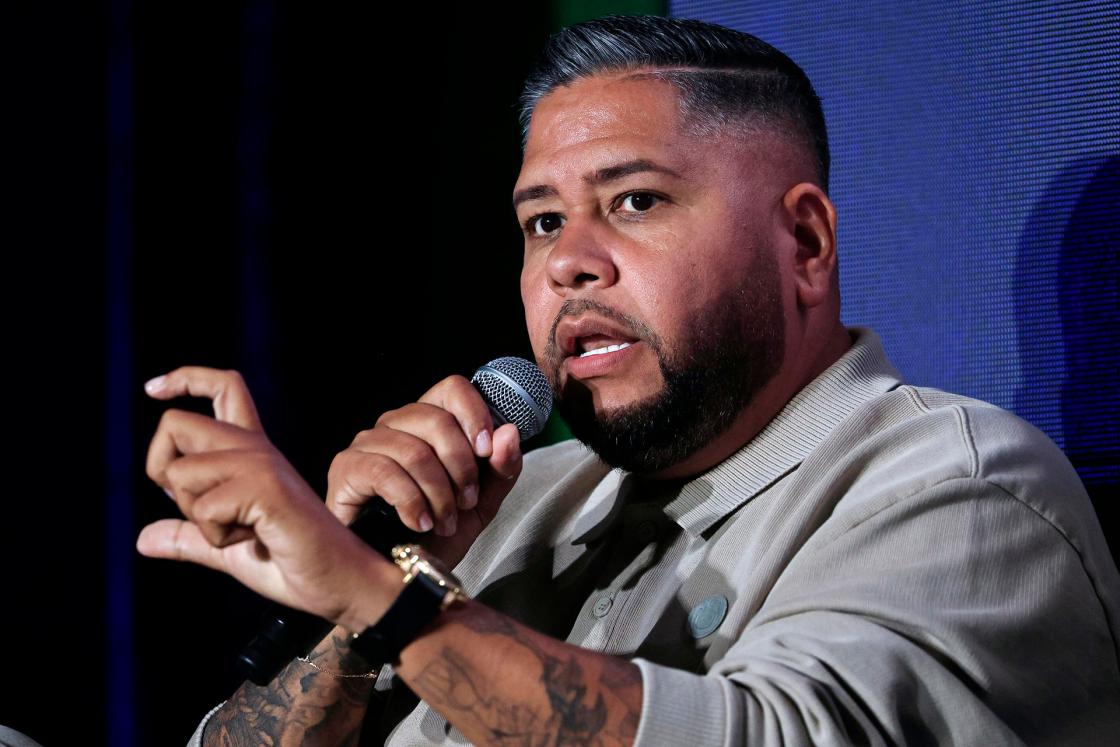
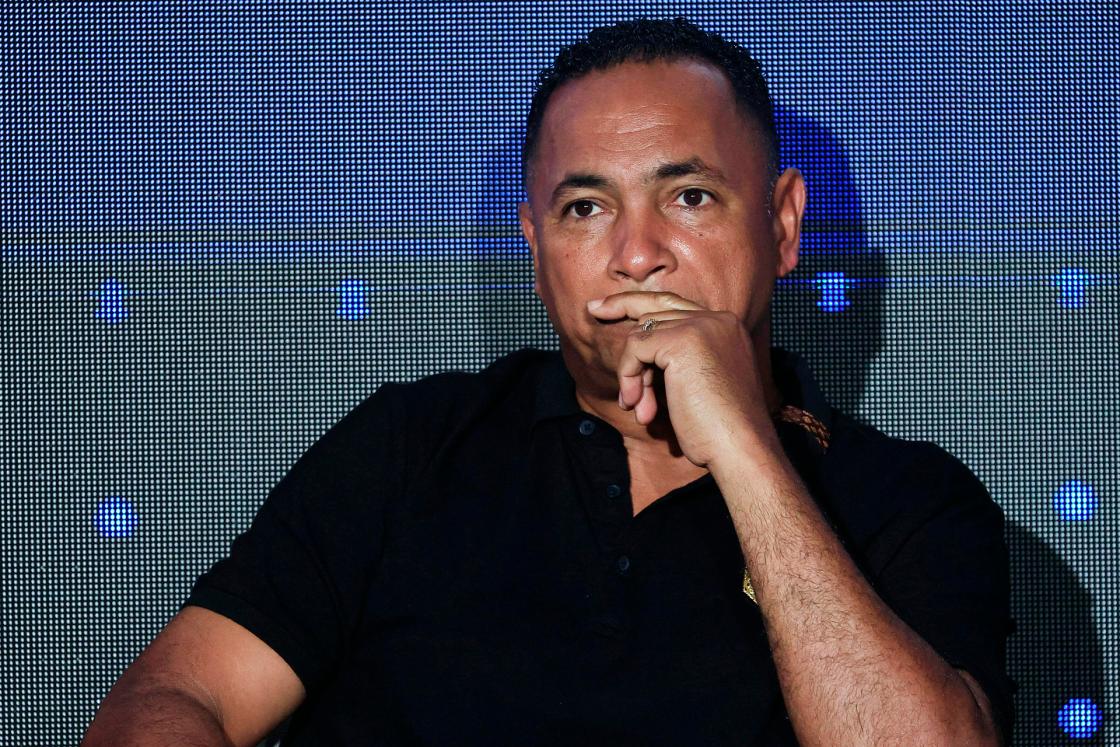
That was the consensus of DJ Negro, Mario VI, and Ken-Y, who spoke after participating in the recent forum Puerto Rico as a Global Driver of Music and Entertainment, organized in San Juan by GFR Media and Agencia EFE.
“Collaborations are what have kept this genre united and relevant. And not only among ourselves, but with other musical genres as well,” Mario VI told EFE.

Collaborations that defined reggaeton
As a performer, Mario VI was known as a composer and backup singer for Don Omar, another of reggaeton’s major stars.
In his view, reggaeton “set an example for other genres that didn’t do that,” like pop, salsa, and merengue. While those artists rarely team up, “they have collaborated with urban music.”
“We never got to enjoy Chayanne and Ricky Martin together, or Elvis Crespo and Manny Manuel. But we did see Daddy Yankee and Don Omar, despite their disputes, and a J Balvin and Benito (Bad Bunny) album, multicultural, two countries, two different global artists,” he added.
Mario VI, DJ Negro, and Ken-Y are three key figures who have lived through the different stages of reggaeton, from the rise of Spanish-language rap with Vico C in the late 1980s to the global explosion led by Bad Bunny today.
From underground to mainstream
DJ Negro reflected: “I feel super proud to be part of that first tier of the genre that now dominates the world, because here in Puerto Rico there was nobody before Vico, and little by little people began to accept us.”
He and Vico C were among the first Latin urban duos. They released the cassette La Recta Final in 1989, a four-track record that became a huge street hit.
Later, DJ Negro and producers like DJ Playero pioneered the “underground”, a fusion of rhythms with explicit lyrics that captivated youth but faced government censorship.
Police fined drivers who blasted the music and forced stores to pull records until they carried explicit-content warnings.
“There was a lot of controversy with the police because of the negative messages, stories from the barrio, until it took a new turn with different rhythms and songs, and I fell in love with the genre,” Ken-Y recalled.
A global boom
To ease tensions, producers began making tracks with less violent content, opening the door to collaborations both within reggaeton and with other genres.
The arrival of digital platforms propelled a new generation, Bad Bunny, Rauw Alejandro, Myke Towers, Anuel AA, J Balvin, and Feid, sparking a worldwide boom.
“It’s impressive what’s happening,” Mario VI said, highlighting how far the genre has come and the global influence of reggaeton and Puerto Rican culture. EFE