

Astana, Sep 5 (EFE) – Spanish artist Juan Saliquet on Friday inaugurated his exhibition Archaeology of a City: Almaty at the Esentai Contemporary Art Gallery in Kazakhstan.
“The poetics of international abstract art, reflected in the walls and corners of the city of Almaty,” is how Saliquet describes his project.
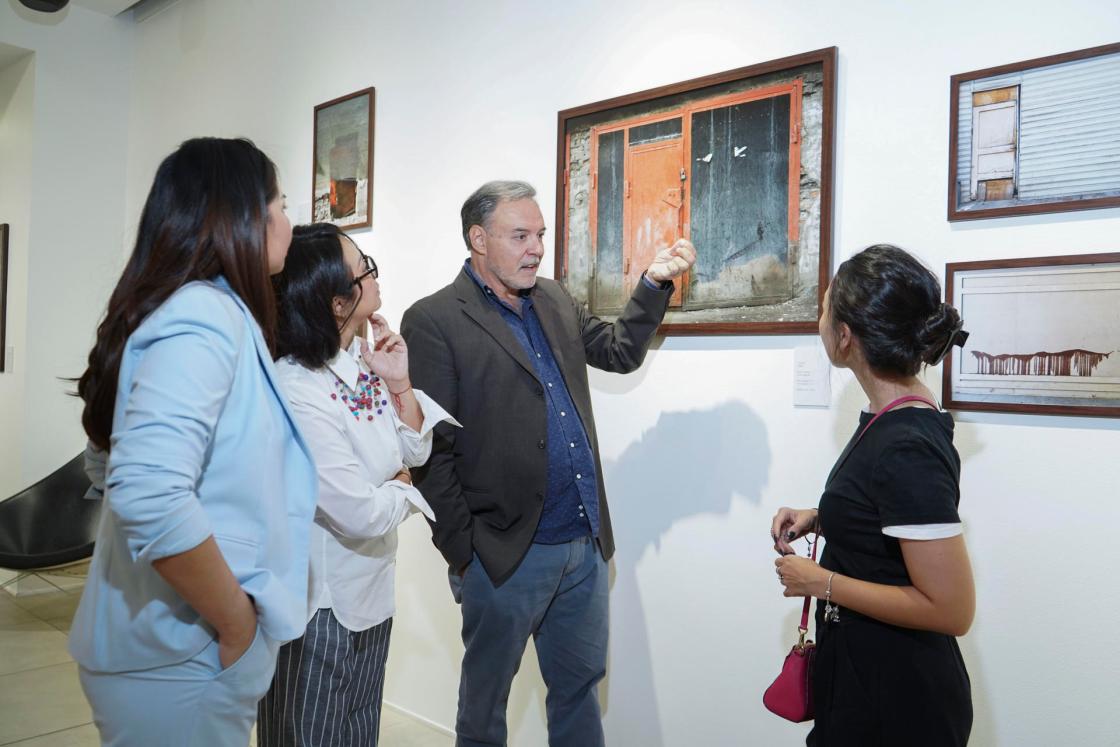
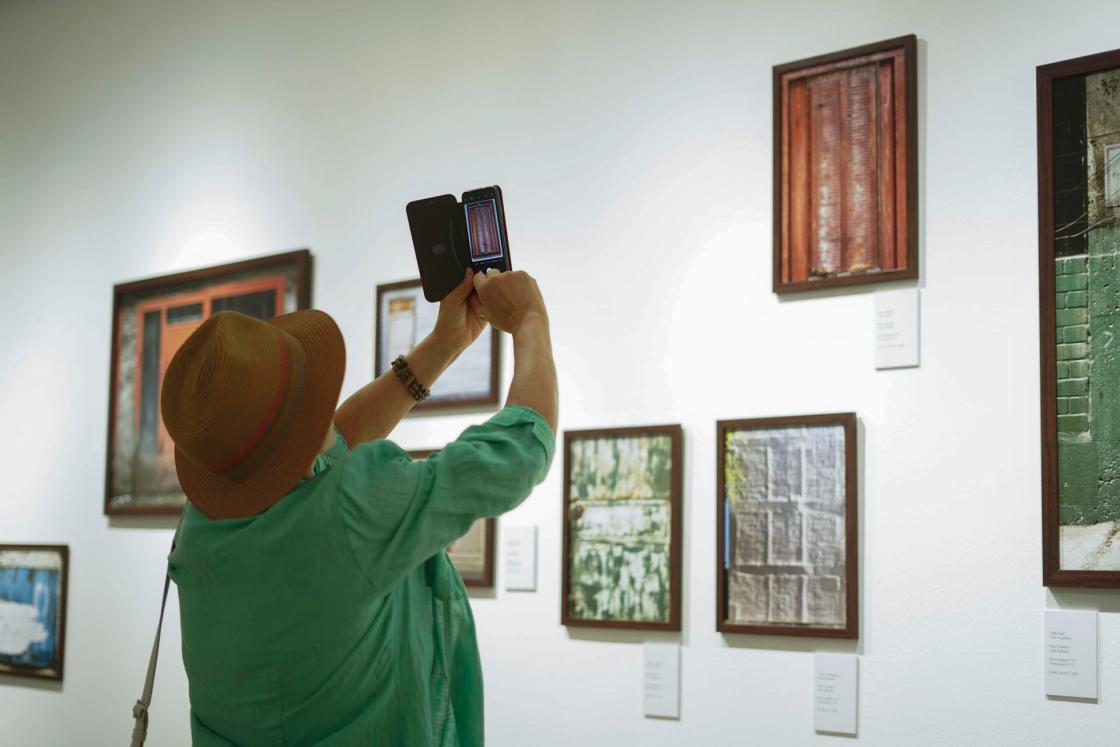
The gallery showcases more than 50 photographs that reveal the life, atmosphere, and character of the city from an unusual perspective: through the eyes of a Spanish artist.
Beyond Almaty: cities as memory and time
Saliquet’s creations are not just about Almaty, but about cities themselves. For him, a city is not merely geography and architecture, but a layering of time, memory, and human traces.
At the opening ceremony, Spain’s ambassador to Kazakhstan, Luis Francisco Martínez Montes, emphasized his country’s artistic tradition.
“Spain is also known for its names in artistic photography: Pilar Aymeric, Alberto García-Alix, Chema Madoz, Ouka Lele, and Laia Abril are just some of them. Juan Saliquet belongs to this same constellation of outstanding artists, but with a particularity: his work emerges at the intersection of painting, sculpture, and photography,” the diplomat said.
Spain’s cultural diplomacy and artistic exchange
The exhibition is supported by Spain’s cultural diplomacy program through its embassy in Kazakhstan, with backing from the Spanish Agency for International Development Cooperation (AECID) and the Esentai Gallery.
“The purpose of the exhibition is to show the city of Almaty as a place of memory connected to the history of 20th-century art through the eyes and camera of Juan Saliquet, a keen observer of the many textures of a city where Europe and Asia meet. The program also enables encounters and collaboration between the Spanish artist and young Kazakh creators,” the ambassador added.
Methodology and artistic vision
This project continues Saliquet’s Correspondence methodology, where he built visual dialogues between urban images and works of classical and modern painting.
The artist focuses on what is often overlooked: random scenes, disappearing shapes, the “temporary.” Murals and street compositions created not by artists but by life itself.
In doing so, Saliquet shows that a city is made up of multiple sub-identities: micro-narratives and individual and collective expressions at the intersection of everyday life and aesthetics.
Exhibition details
The exhibition Archaeology of a City: Almaty will run from Sept. 5 to Oct. 15 at the Esentai Contemporary Art Gallery. EFE