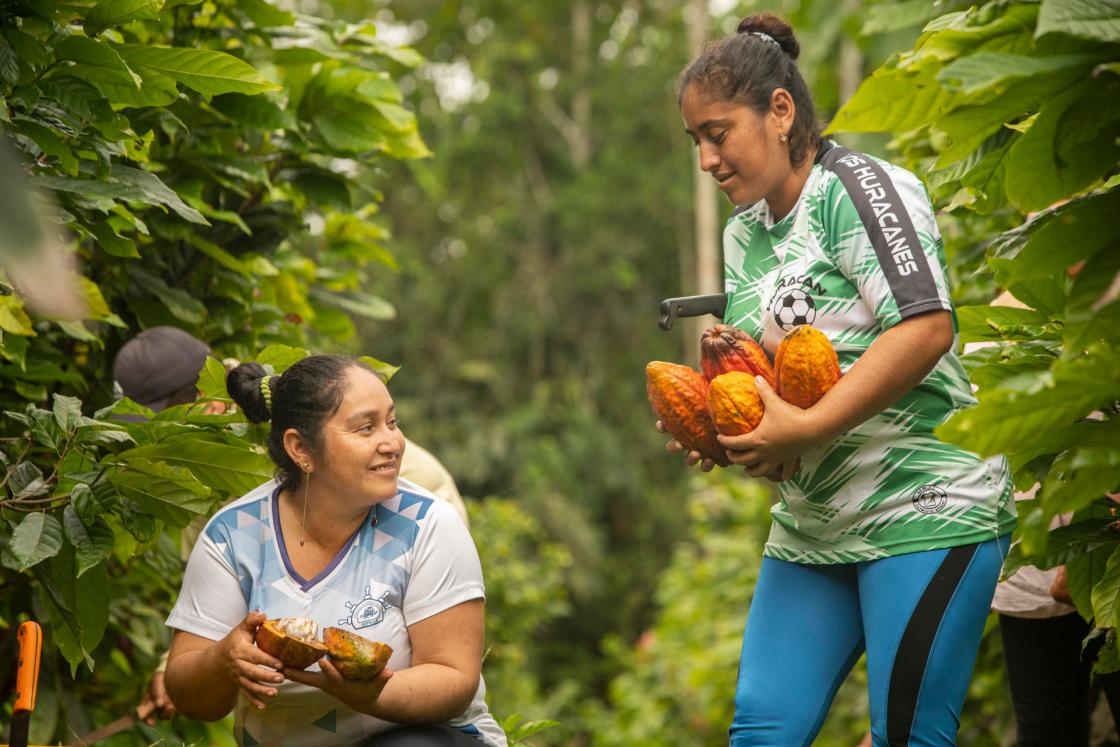
Quito, Jul 24 (EFE).- Ecuador has established itself as a pioneering country in sustainable production, free of deforestation with coffee and cocoa as its flagship products. The South American nation has opened markets in the European Union (EU) by demonstrating that their farmers have avoided the clearing of thousands of hectares of Amazon rainforest.
Ecuador has more than 93,000 hectares dedicated to coffee, cocoa, oil palm, and livestock. These are the four legal activities that most negatively impact the Ecuadorian Amazon. As a result, it has turned to sustainable production by avoiding the deforestation of more than 86,000 hectares for new crops.
Italy and Belgium have received coffee and cocoa from Ecuadorian plantations free of deforestation. The initiative forms part of the PROAmazonia and Pago Por Resultados programs. The initiatives were developed under the international mechanism for Reducing Emissions from Deforestation and Forest Degradation (REDD+).
So far Italian firm Lavazza has purchased 34.5 tons of coffee. The company will present in Turin (Italy) on September 30 the first brand of deforestation-free coffee. Meanwhile, Belgian company Silva Cacao has bought 10.8 tons of cocoa.
“The characteristics of the coffee and the way the crops are cultivated means Lavazza can set a higher price than for coffee from Colombia or Peru,” said the president of the Southern Ecuador Associations of Small Ecological Coffee Growers Regional Federation (Fapecafes), Víctor Yanangómez.


93% less deforestation in Ecuador
Ecuador is the first country to receive international funding from REDD+, said Ángel Sandoval, Undersecretary for Climate Change at Ecuador’s Ministry of Environment, Water and Ecological Transition.
The ministry and Ecuador’s Ministry of Livestock and Agriculture developed the PROAmazonia program (2017-2023). For this, they received technical support from the United Nations Development Programme (UNDP).
“People do not deforest for pleasure, it is out of necessity. If someone who lives in the rural area needs to expand their crops or pastures to improve their well-being and that of their family, they are going to continue to do so, and the best thing we can do is to give them alternatives,” Sandoval said.
To this end, 16,000 farmers attended training programs. As a result, they improved productivity by 24% and increased income by 42% between 2021 and 2023. This has lead to a 93% reduction in deforestation in the affected areas.
In addition, US$2.3 million in 360 loans were granted (41 % to women). The loans have an option of lower interest rates if they met deforestation-free goals.
Reference in Latin America
For the third consecutive year, Ecuador is “the country with the best results and the highest organic production in the world,” said Nelson Yépez, Undersecretary of Marketing at the Ministry of Agriculture and Livestock.
As a result, it has been proposed that the country is considered a benchmark in this area in Latin America. In September, Quito is to host the First Regional Workshop on Sustainable Production Free of Deforestation. Representatives from Brazil, Costa Rica, Peru, and Colombia, among other countries, are to participate.
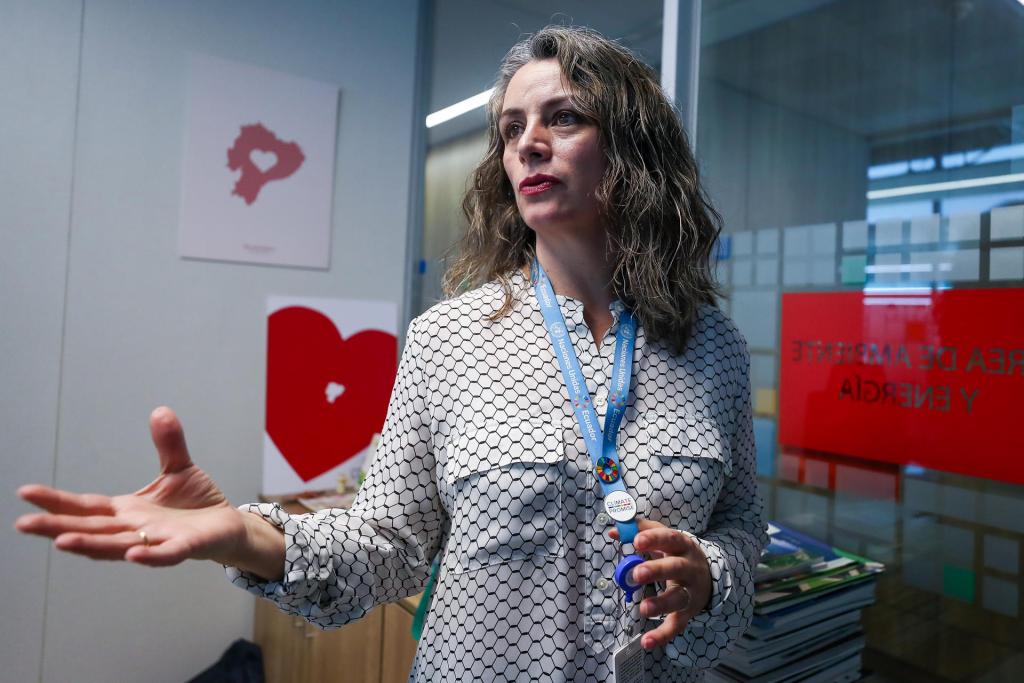
For the head of the UNDP Environment and Energy Area in Ecuador, Mónica Andrade, the key to success has been inter-institutional cooperation and a shared vision. Different players came together in 2009 to develop a vision for the country, which has made it “a worldwide pioneer.”
The Pago Por Resultados project, financed by the Green Climate Fund (GCF), has picked up the baton to take the strategy national. For instance, the aim is to impact other Sustainable Development Goals (SDGs). Poverty reduction, forest conservation, and gender equality are some of the issues to be addressed. EFE
Agencia EFE received support from UNDP for the preparation of this article.