

São Paulo, Oct 13 (EFE).— Brazil, the world’s third-largest agribusiness exporter and a benchmark for sustainable agricultural practices, is positioning itself to lead the global bio-inputs market by combining its technical expertise in tropical agriculture with cutting-edge formulation technology.
In an interview with EFE, Laudemir André Müller, agribusiness manager at the Brazilian Trade and Investment Promotion Agency (ApexBrasil), said expanding the export of green solutions is a key strategy to “consolidate the country’s leadership” in sustainable agriculture.
Driven by sustainability goals and profitability, the use of bio-inputs, natural alternatives to chemical fertilizers and pesticides, has surged worldwide. Müller noted that Brazil “occupies a strategic position in this global movement” thanks to its unique biodiversity, world-class research, mature industry, and farmers open to innovation.
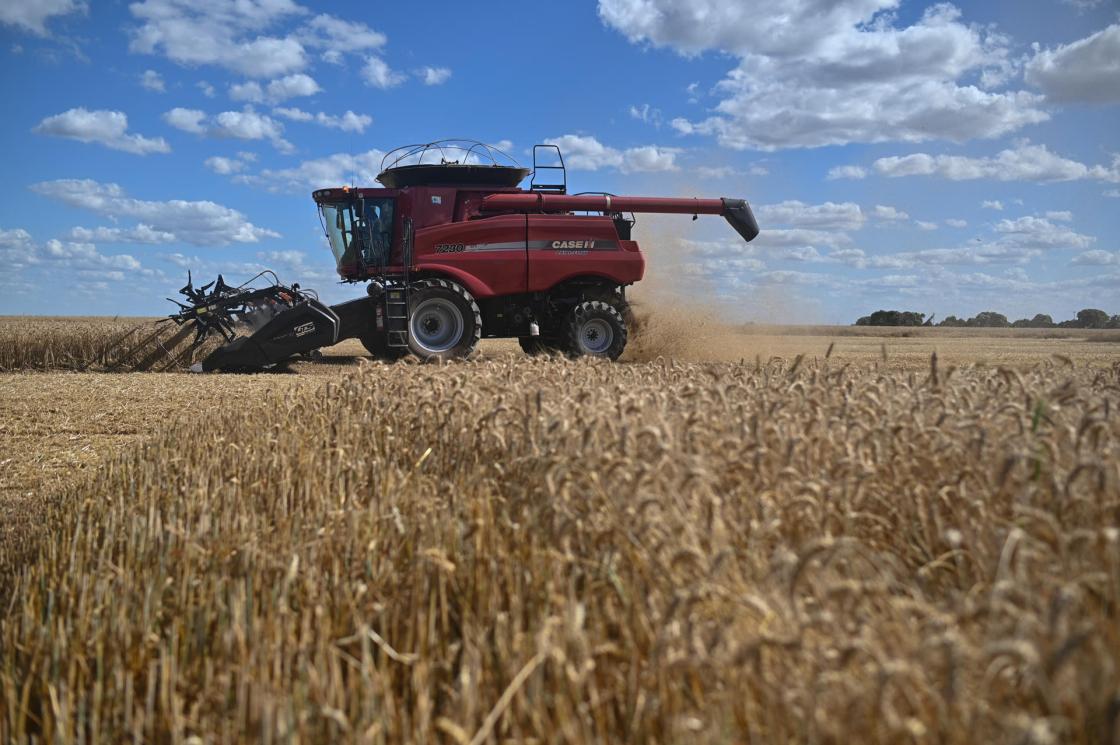
Brazil’s bio-input market growth
Bio-input adoption in Brazil has grown an average of 22% over the past three years, four times the global rate, reaching 158.6 million hectares treated during the 2024–2025 harvest. That’s equivalent to 26% of the country’s cultivated area. The domestic market expanded 35% in the last harvest, supported by more than 170 producers and a portfolio exceeding 1,000 products.
Müller said Brazil’s advantage lies in developing formulations adapted to extreme field conditions, not just the controlled environments typical in European markets. The country has also advanced in sustainable formulation technologies. Those improve field performance and position Brazil among the few capable of offering competitive bio-inputs suited to the demands of resilient, high-yield agriculture.
These strengths make Brazilian bio-inputs highly competitive “in an era of climate change and growing demand for sustainable solutions.” Particularly for crops such as grains, sugarcane, cotton, coffee, and fruit, where they have helped boost yields, reduce pest and disease pressure, and cut nitrogen fertilizer use.
Cooperation and global leadership
To strengthen Brazil’s presence in international markets, ApexBrasil partnered in May with CropLife Brasil, a nonprofit association, to launch the Brazil Bio-inputs Project. It is designed to establish the country as a global leader in nature-based agricultural solutions, particularly “high-quality, technologically advanced bio-inputs.”
The initiative includes creating an international brand, conducting market intelligence studies, and organizing trade fairs, technical missions, and regulatory cooperation efforts to align public policy and standards.
With an initial budget of about $1 million, the project will first target Latin America due to its logistical proximity and similar climates. It will then expand to the European Union and North America, key regions to “showcase Brazil’s success stories in sustainable production,” said ApexBrasil president Jorge Viana.
Science and innovation
Viana emphasized that Brazilian agriculture, while highly competitive, operates under challenging conditions—poor soils, high temperatures, irregular rainfall, and heavy pest pressure. He said what would be a barrier in other countries has become an incentive for innovation in Brazil.
He highlighted the role of national universities and research institutions such as Embrapa (the Brazilian Agricultural Research Corporation). They collaborate with industry to develop innovations in bioinformatics, biotechnology, and tropical agriculture. EFE
EFE published this report with the support of ApexBrasil.