
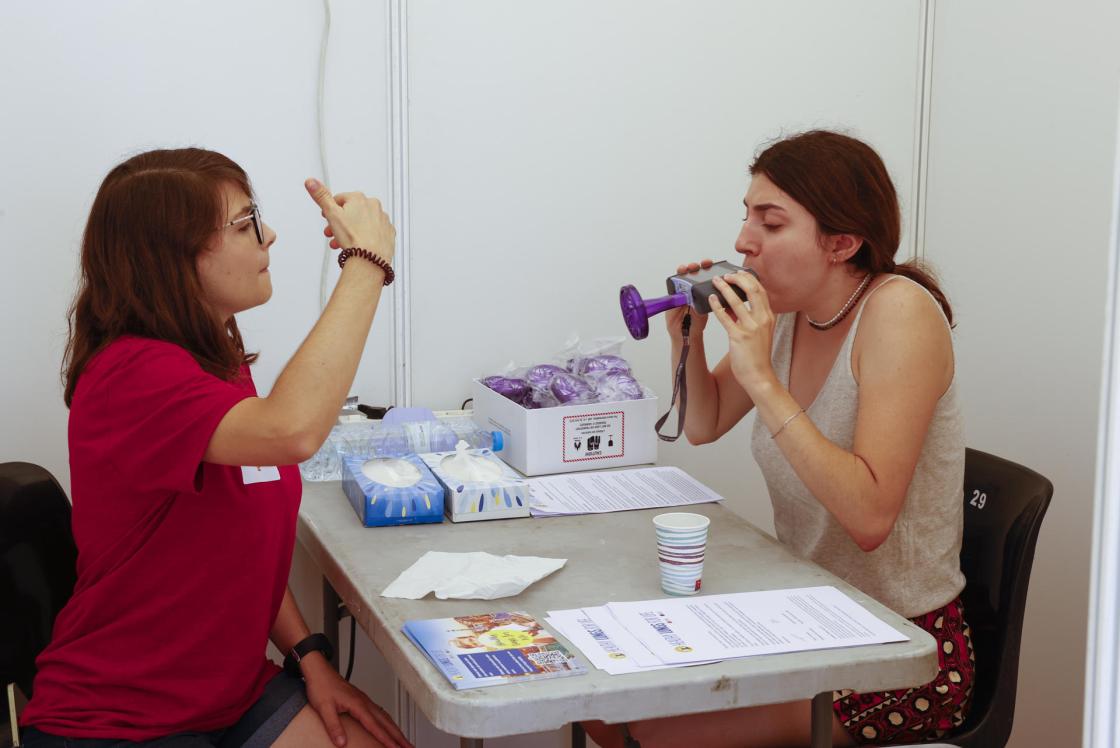
Mexico City, Nov 6 (EFE).— Access to respiratory health remains a major challenge in Latin America, experts warned Thursday at a regional forum, emphasizing that early diagnosis and preventive education are essential to improving outcomes for millions of people.
Lucía Viola, head of oncological pulmonology at the Fundación Neumológica Colombiana, said during the forum “Lung Health: Building Resilient Systems in Latin America” that “unfortunately, in several parts of Latin America, universal access to health care is not yet a reality.”
She stressed the importance of educating both health professionals and the public on preventive respiratory care, disease awareness, and healthy habits.
The forum, organized by EFE with the support of Jeffrey Group, also highlighted that access to updated and adequate treatments is essential. However, delays in approving newer medications continue to create barriers for patients, especially those with thoracic oncological diseases, who also face limited access to rehabilitation programs.
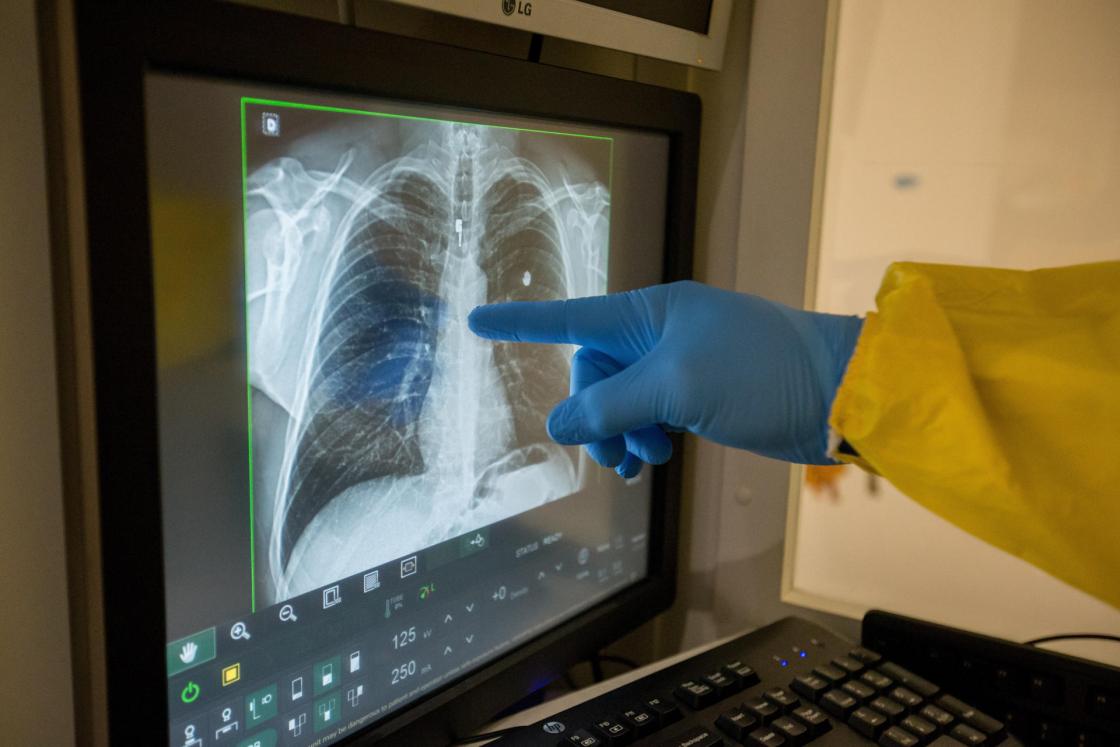
Timely technology and integrated care
Experts noted that strengthening primary care models—particularly in rural or vulnerable areas—remains one of the region’s biggest challenges.
Journalist Martha Herrera said health equity depends on ensuring three core conditions:
-
Early and accessible diagnosis
-
Integrated care pathways
-
Timely access to therapies and medical technologies
“When these three conditions truly exist, they become a right,” she said.
Alberto Hegewisch, director of diagnostics at AstraZeneca Mexico, explained that the company has worked throughout the region not only to provide innovative therapies on time, but also to develop strategies that allow patients to be diagnosed early and receive care no matter where they live.
He pointed to tobacco use, urban pollution, and biomass exposure as key drivers of chronic respiratory disease in Latin America.

Lung cancer detection remains critically delayed
Hegewisch noted that 80% of lung cancer cases in Latin America are diagnosed in advanced stages, when treatment options are limited and long-term outcomes are poor.
Medical panelists agreed that slow progress in improving lung cancer survival is linked to the lack of public policies supporting early detection.
They emphasized that improving survival requires strengthening the entire patient journey, from screening and diagnosis to follow-up and rehabilitation.
“Governments are taking action based on what they can do,” Hegewisch said, acknowledging progress amid ongoing structural challenges.
Innovation and AI as tools for transformation
In closing, experts highlighted that technological innovation and artificial intelligence are emerging as decisive tools to improve lung health outcomes across the region.
Adopting AI-assisted diagnostics, expanding certified laboratories, and reinforcing clinical practice standards were described as essential steps toward building more resilient and patient-centered health systems. EFE
EFE published this report with the support of Jeffrey Group.