
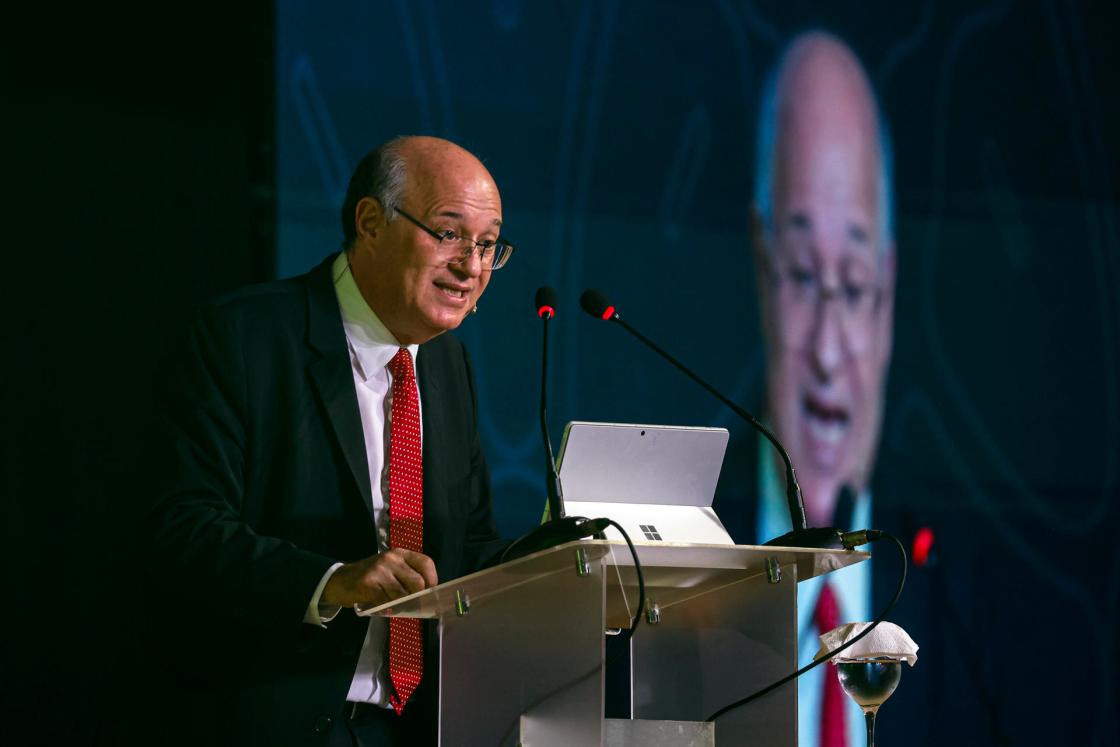
Manaus, Brazil, Jun 13 (EFE).- Ilan Goldfajn, President of the Inter-American Development Bank (IDB), on Thursday called on the governments of Latin America and the Caribbean to strengthen the rule of law to allow companies to invest confidently in the region.
“We need regulations that remain in force and promote sustainable business practices, and we must also help the region address citizen security against organized crime,” said the president of the multilateral organization in Brazil.
It is also necessary to “implement access to stability and social protection, to basic services for the population,” because although companies “know how to handle their projects, how to handle risk,” they know less “about uncertainty and the overall environment,” he stated.
Goldfajn made these remarks during Sustainability Week, organized by IDB Invest, the private arm of the IDB, currently being held in Manaus, the heart of the Brazilian Amazon.
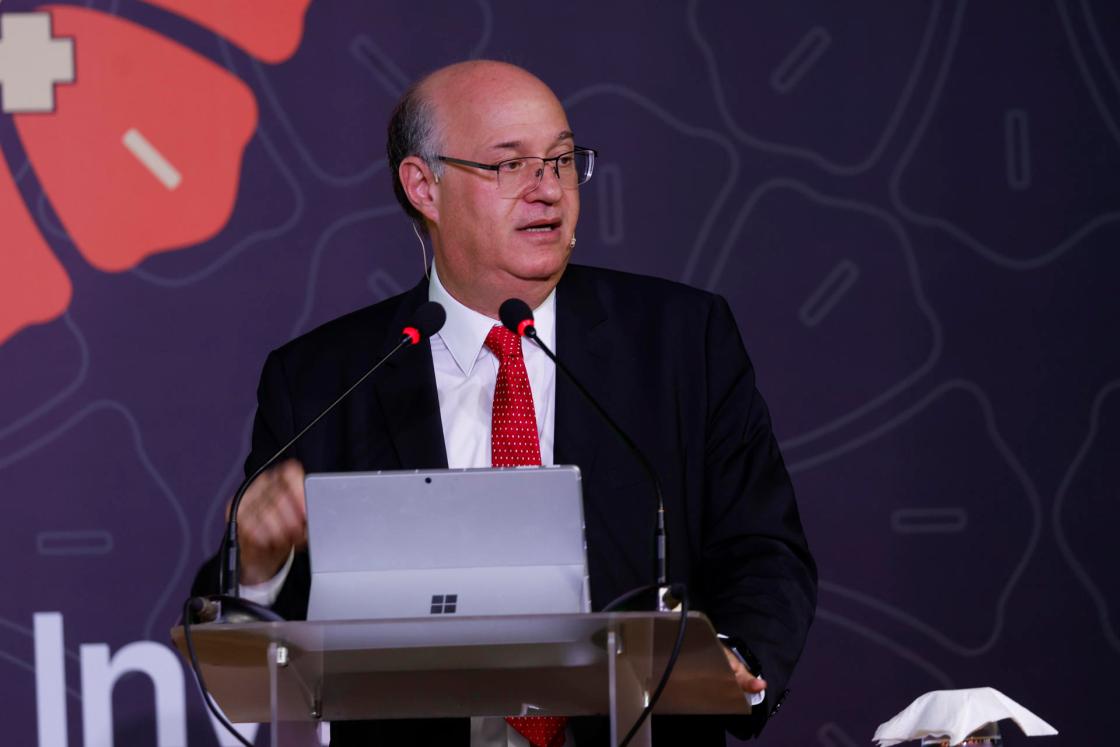
The IDB president participated in a panel where he urged strengthening public-private partnerships to scale impact on development at a crucial moment for the entire Latin American and Caribbean region, especially the Amazon.
The region, known as the ‘lungs of the world,’ spans nine countries and is experiencing “an irreversible ecological tipping point, losing its capacity to recover from disturbances such as droughts or forest fires,” scientists warn, Goldfajn said.
Collaborative approach
For this reason, now more than ever, an “integrated approach with the public sector, local communities, the private sector, and multilateral development banks like the IDB” is needed to “develop and sustainably protect the Amazon for the millions of people here and around the world.”
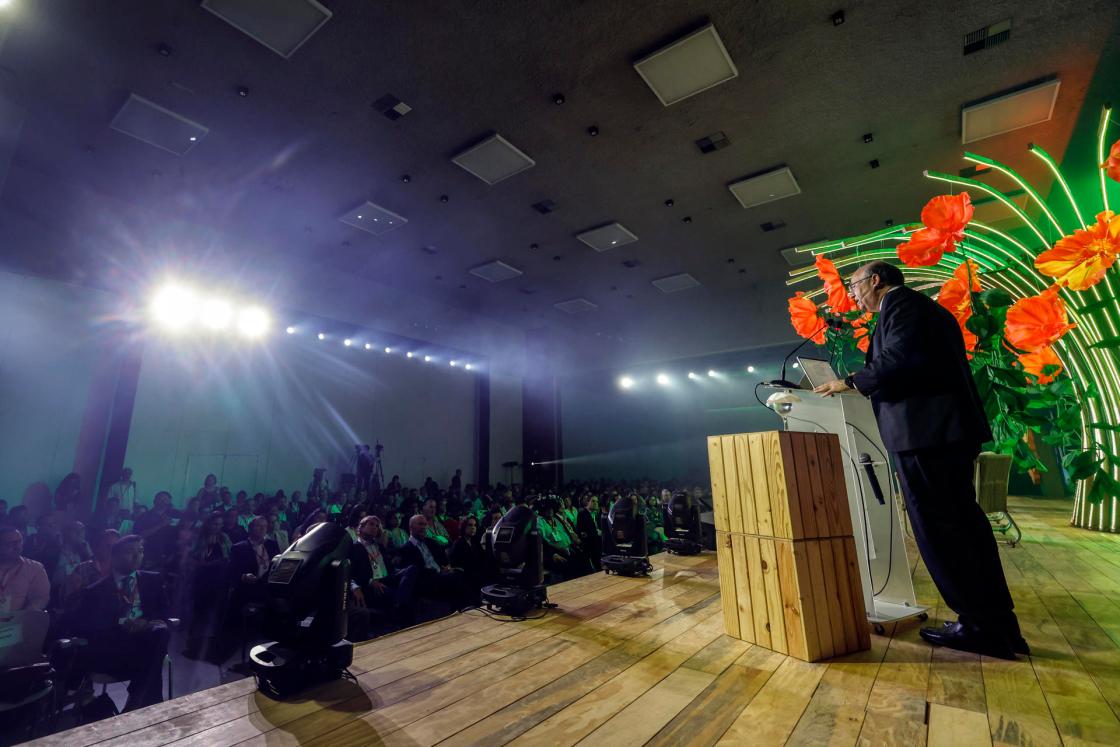
Goldfajn noted that in recent years the IDB has made protecting the Amazon a key priority, evident in projects such as Amazon Forever, launched last year, or the Amazon Financial Network, created between IDB Invest and IFC, the private arms of the IDB and the World Bank, respectively.
“We need to unite countries, regions, and the Amazon because we need to work together to reach our goals at the speed we need,” Goldfajn said, also arguing that one of the “key lessons” the institution has learned in its more than six decades of history is “listening to local populations.”
“We’re not going to come from Washington and simply tell the locals exactly what solutions they need,” but rather, they are the ones who “have the knowledge, cultural practices, and a close connection to the land, so we must engage with local communities and respect their interests and culture,” concluded the president.
During Sustainability Week, dozens of presentations have been given to around 800 physical participants (and more than 10,000 virtual attendees), many of them executives from sectors such as banking, technology, and food.
Agrotechnology, new green financing instruments, the use of artificial intelligence in development, and challenges arising from the climate crisis are some of the topics addressed at the event aimed at promoting sustainable investments in the region. EFE