
By María Angélica Troncoso
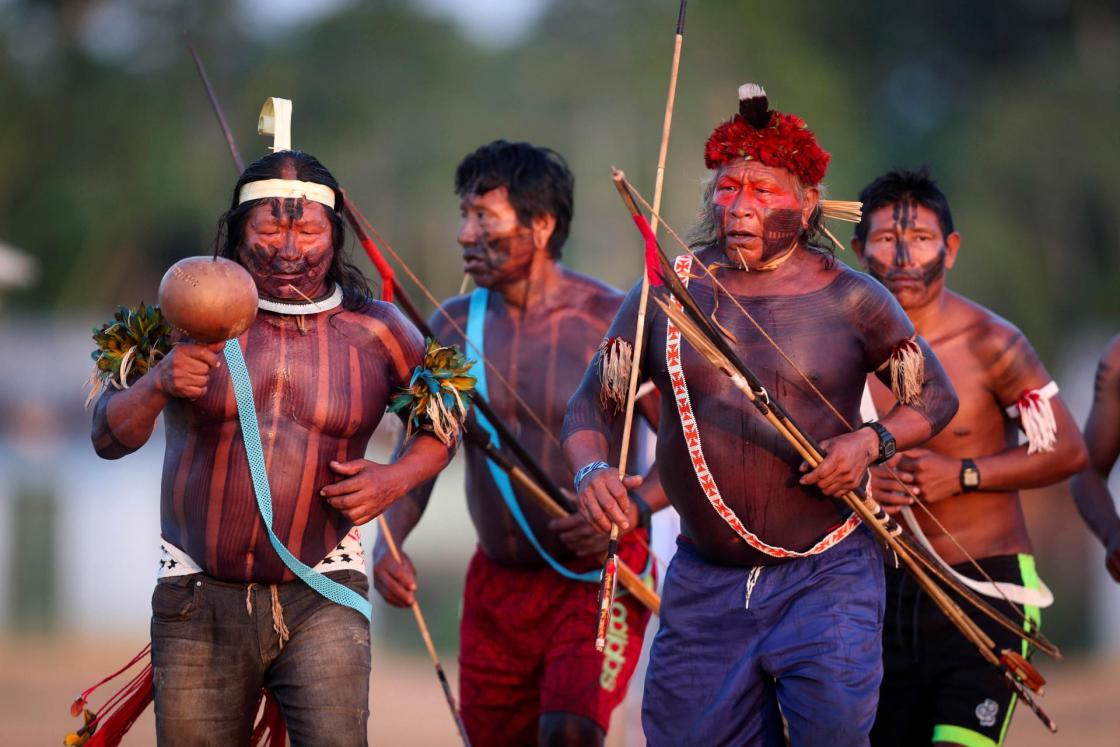
Rio de Janeiro, Aug 26 (EFE) – Two months before the UN climate summit (COP30), Indigenous peoples of the Amazon are demanding to be heard in the negotiations. Their call comes as several legislative projects in Brazil threaten their territories, already under siege from land invasions, illegal mining, loggers, and drug trafficking.
“The forest only exists thanks to Indigenous peoples,” said Janete Alves, a leader of the Desana people, speaking from São Gabriel da Cachoeira, on the triple border with Colombia and Venezuela.
In a phone interview with EFE, Alves explained that Amazonian communities are organizing at regional, national, and international levels to present a unified position at COP30, which will be held in November in Belém, northern Brazil.
After enduring the worst drought and fire season since 2010 last year, and facing growing economic pressures, Indigenous groups reiterated the importance of their role in preserving the forest.
“We are coordinating with other peoples of Brazil and the Amazon because it’s not going to be easy. We want to show that we are under siege, and that defending the forest means defending life,” Alves said.
Indigenous organizations warn their participation cannot be merely symbolic. Although they lack voting rights, they insist their proposals must be considered in global climate decisions.
The endless struggle of the “guardians of the forest”
Data from the MapBiomas platform show that between 1985 and 2023, only 1.2% of native vegetation in Indigenous territories was destroyed, compared to 19.9% in private areas.
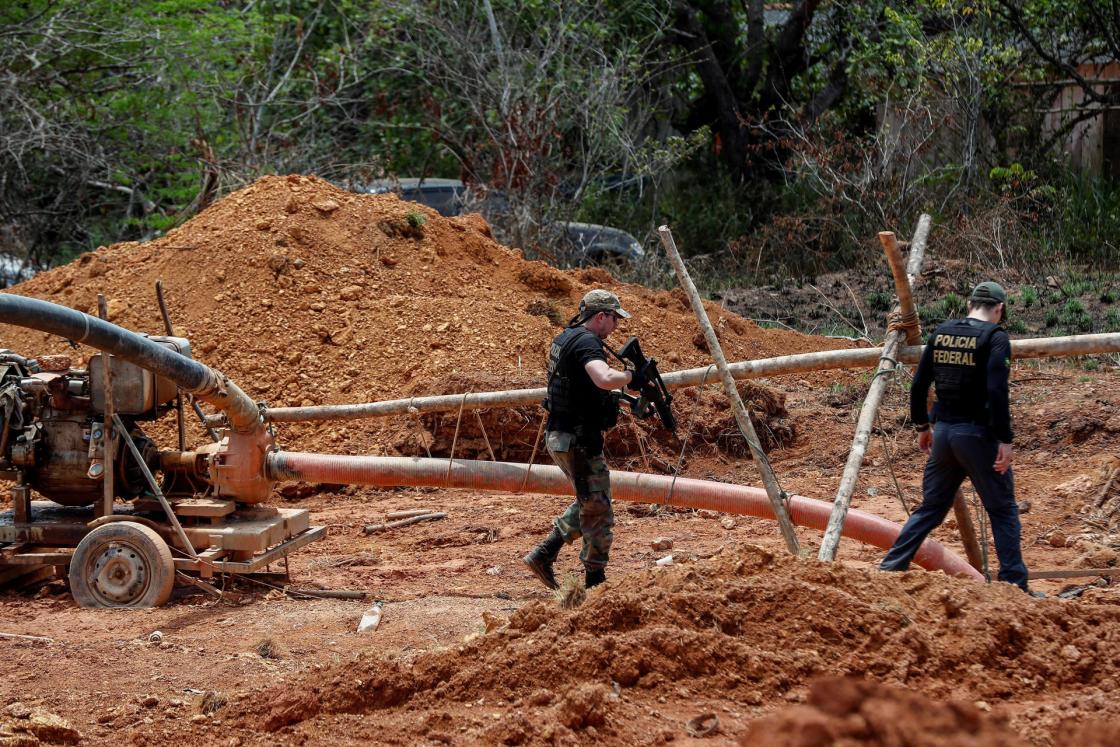
Despite this record, Indigenous peoples face constant threats from illegal miners, loggers, and drug traffickers, often without effective state protection.
Land disputes with large landowners also persist due to the slow demarcation of Indigenous territories. Brazil has 632 Indigenous territories: 464 are demarcated and regularized, while 158 remain under study, a process that can take up to 40 years, according to the Instituto Socioambiental (ISA).
Meanwhile, new legislation aims to open Indigenous lands to mining, natural gas exploration, and infrastructure projects deemed of “national interest,” including hydroelectric plants.
Alves cited the example of the Yanomami, whose territory has been poisoned by mercury from illegal mining, contaminating rivers and soils, causing disease, hunger, and death. The crisis persists despite government efforts to expel miners.
She stressed that federal support for territorial defense remains insufficient. In the Rio Negro region, communities rely solely on international NGOs for resources.
“But this is a vast region that needs care and presence. It has not been easy,” she warned.
Building the future: recognition and cooperation
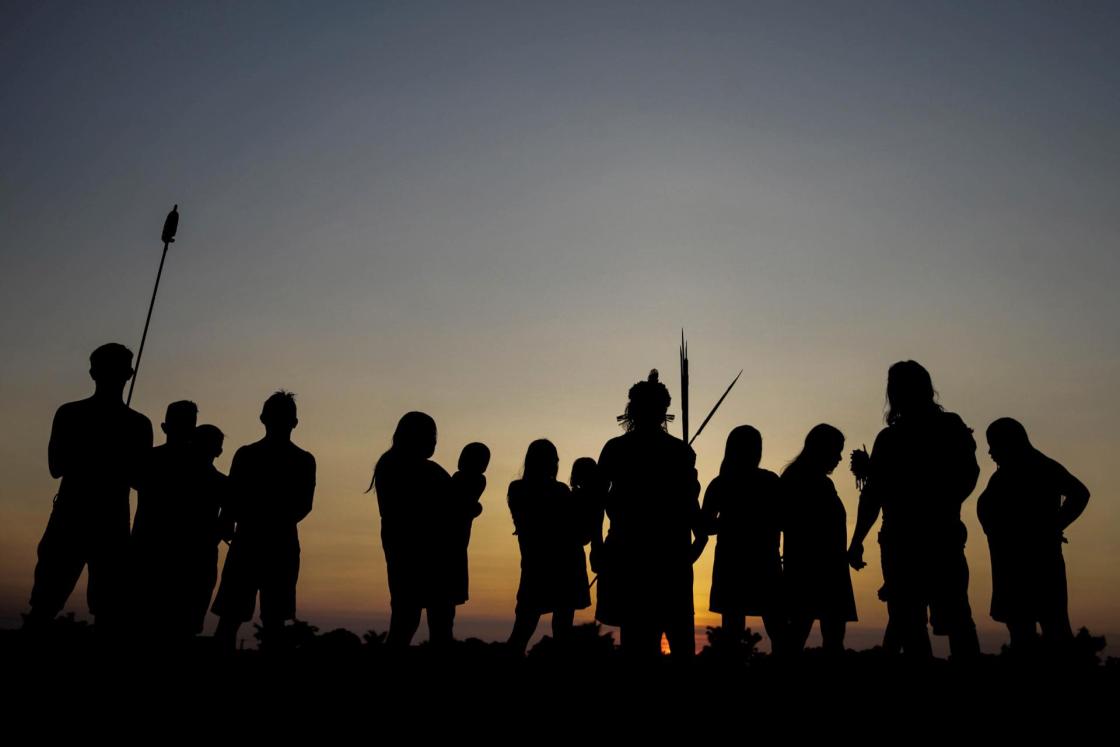
The role of Indigenous peoples in conserving the Amazon is widely recognized by environmental organizations.
Patricia Machado, deputy director of Imaflora, attributed their success to the traditional way of life of these communities.
“They see the forest as something that must remain there for future generations,” she told EFE.
Even so, Machado emphasized the need for broader recognition of the environmental services Indigenous peoples provide, since “their work impacts everyone, not only those who live in the forest.”
Among Imaflora’s initiatives is Origens Brasil, a network that promotes “ethical commercial relations” between companies and Indigenous communities. In 2024, it mobilized more than 8.6 million reais ($1.6 million/€1.4 million) in transactions involving Brazil nuts, rubber, cumaru, and handicrafts.
The network includes 4,800 registered producers, representing 88 organizations and working with 41 companies.
Green Economy Forum spotlight
Sustainable forest management and cooperation with local communities will be central topics at the 3rd Latin American Green Economy Forum, organized by Agencia EFE in São Paulo on September 4.
The meeting will bring together officials and experts to discuss the climate crisis. It is sponsored by ApexBrasil, Norte Energia, and Lots Group, with the support of IBMEC University, the Climate Observatory, and Imaflora. EFE