
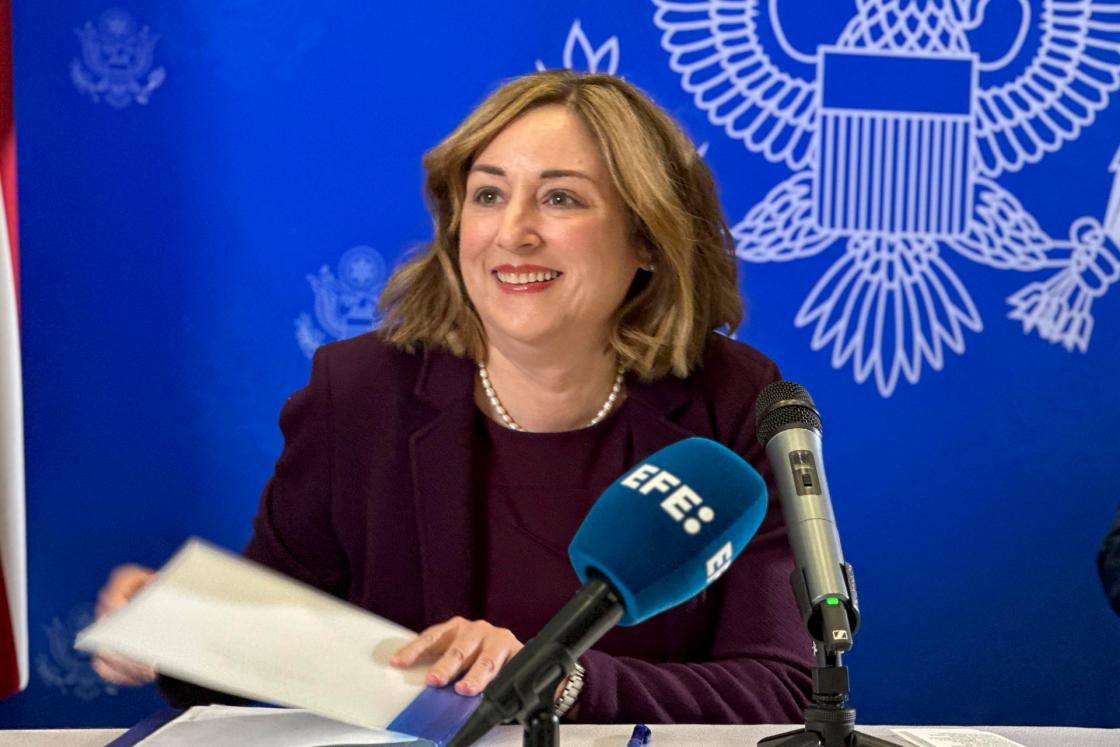
Astana, Feb 13 (EFE).- The new United States ambassador to Kazakhstan, Julie M. Stufft, highlighted Washington’s interest in the Central Asian country’s reserves of critical minerals, stressing Kazakhstan’s right to decide how to use its own resources.
“As for US interest in critical minerals in Kazakhstan, our goal is that Kazakhstan has the full availability of choices in determining how to use its own mineral wealth for the benefit of its citizens,” the diplomat said during her first appearance before local and foreign media.
She added that many US companies are already active in Kazakhstan’s mining sector. She also recalled that the United States is one of the world’s leading powers in the industry.
In that context, Stufft said the US can provide “a great deal of technology” to help Kazakhstan explore and develop its mineral resources.
Securing global supply chains
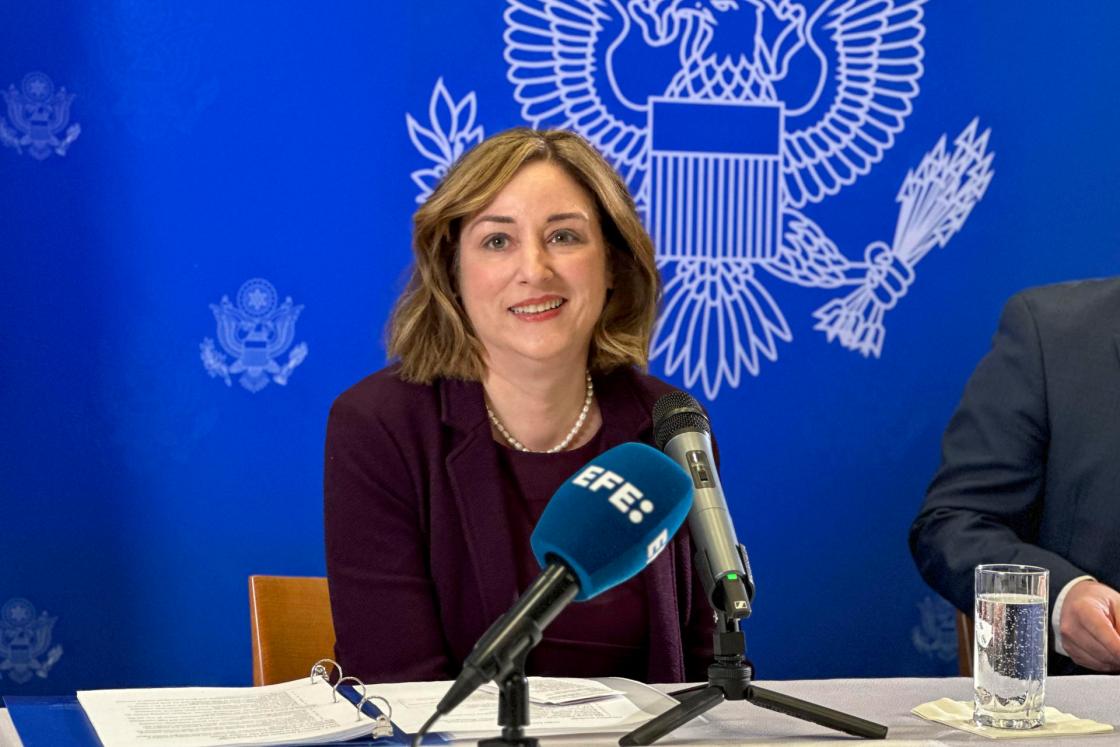
The ambassador noted that critical minerals are not only a bilateral issue. She said they are central to global supply security.
“But there is a second issue, and that issue is a global issue—it’s securing a supply chain for these critical minerals for the entire world to be able to use,” Stufft said.
Last week, Washington hosted a meeting of around 50 ministers to discuss creating a “fair and predictable” market for access to critical minerals.
“Kazakhstan, of course, was one of those countries,” she noted.
Broader US–Kazakhstan cooperation
Beyond minerals, Stufft welcomed the Memorandum of Understanding between Washington and Astana. She said it allows the two sides to “talk about how to develop” bilateral relations.
She also said the United States is closely following Kazakhstan’s plans for constitutional reform.
In addition, the ambassador highlighted Kazakhstan’s role on the Peace Board promoted by President Donald Trump.
“Kazakhstan is always at the forefront of multilateral diplomacy, and President Trump really respects President (Kassym-Jomart) Tokayev’s views on how best to promote reconstruction (in Gaza) and what that will look like in the coming years,” she concluded. EFE