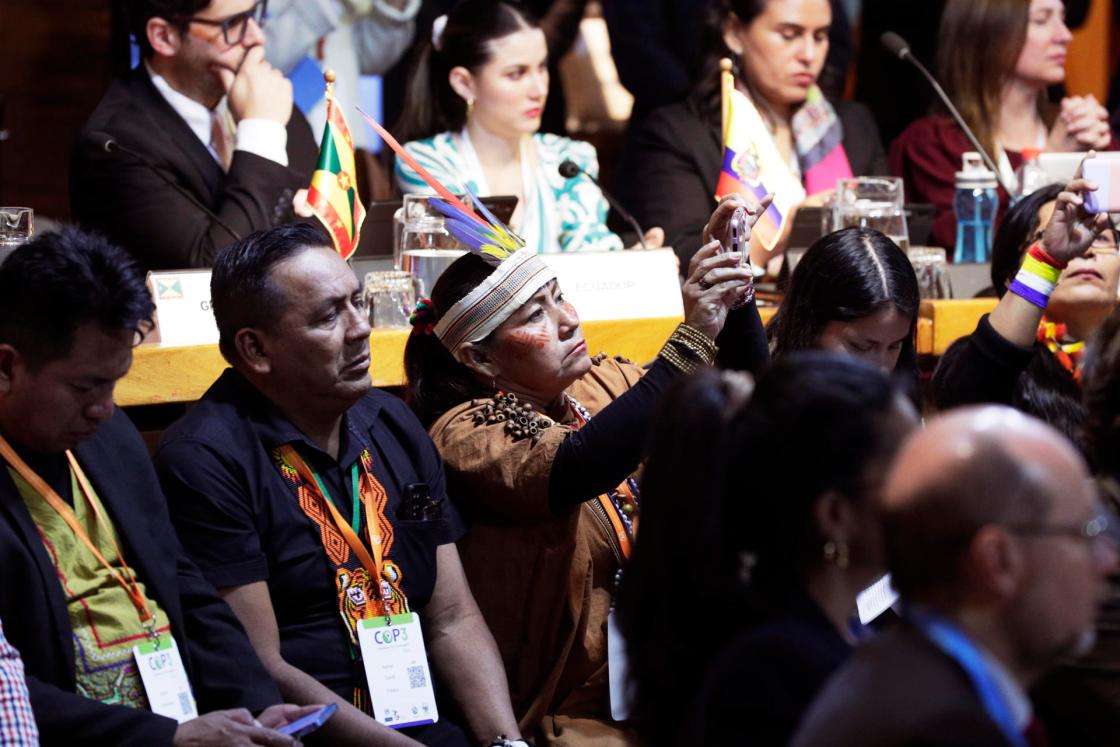
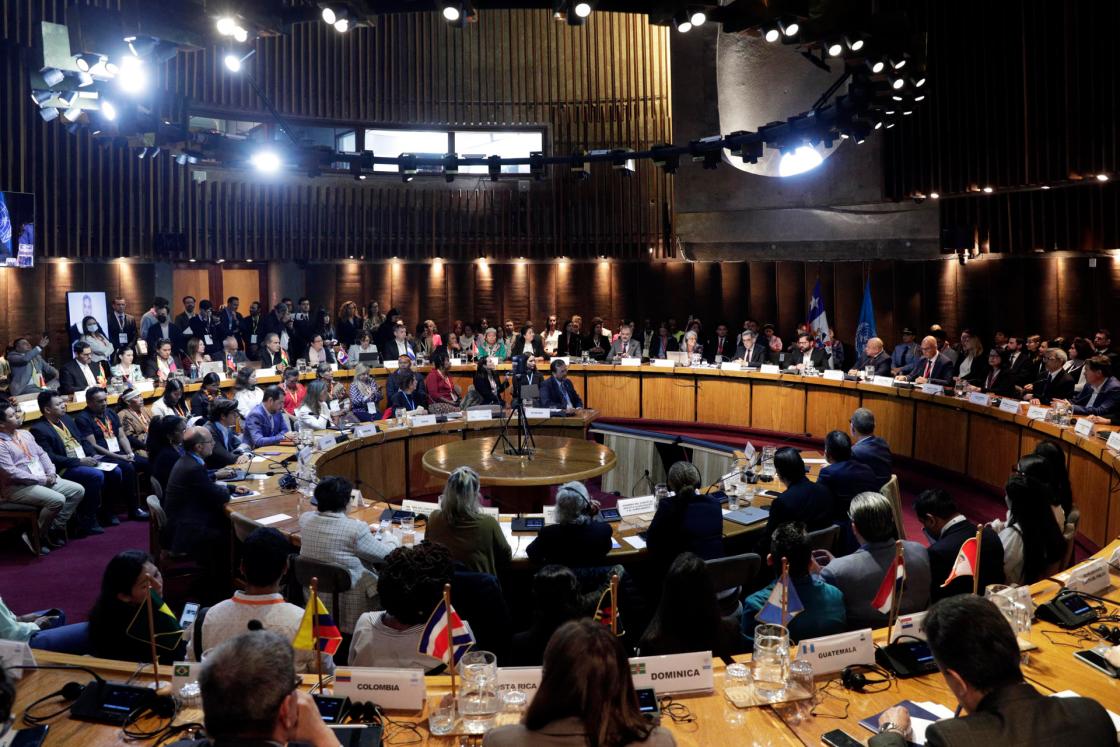
Santiago, Apr 24 (EFE).- Indigenous peoples across Latin America are demanding inclusion and representation in international bodies such as the Economic Commission for Latin America and the Caribbean (ECLAC) and the Conference of the Parties (COP) for the Escazú Agreement, currently held in the Chilean capital through Wednesday.
“We want to defend ourselves while we are alive, not when we are dead,” Elaine Shajian, president of the Regional Coordinator of the Indigenous Peoples of San Lorenzo, told EFE at the ECLAC headquarters in Santiago.
Shajian, hailing from Peru—one of the countries that has not ratified the Escazú Agreement, a treaty aimed at protecting environmental defenders—believes her country should sign the treaty as indigenous people are “killed daily for protecting their territory.”

Globally recognized as a groundbreaking treaty that strengthens environmental democracy, the Escazú Agreement was adopted in March 2018 in Costa Rica and came into effect in April 2021. To date, only 15 of the 24 Latin American and Caribbean countries that initially signed the treaty have ratified it, from a total of 33 in the region.
Indigenous Peoples of the Caribbean
Nearly half of the signatories are Caribbean nations, a region where concerns about the high number of incidents and weak protections are prevalent, despite being among the first to sign up, representatives from several Caribbean states in Chile concurred in discussions with EFE.
“The attacks against environmental defenders in the Americas are constant and often lethal. The fact that some of the most dangerous countries for environmental defense are not part of the Escazú Agreement shows a lack of commitment by their governments to address these threats,” Ana Piquer, Amnesty International’s Director for the Americas, pointed out.
“It is urgent that the states of Latin America and the Caribbean commit to this regional treaty,” she added.
A Plan of Action for Indigenous Peoples
In this regard, the international human rights organization emphasized the importance of devising an action plan for defenders during the conference in Santiago “that can contribute in some way and not just be a commitment that remains on paper.”
In the same vein, Latin American indigenous groups are calling for greater visibility in international bodies that make decisions about their territories without their consent, as there is currently no voice representing them.
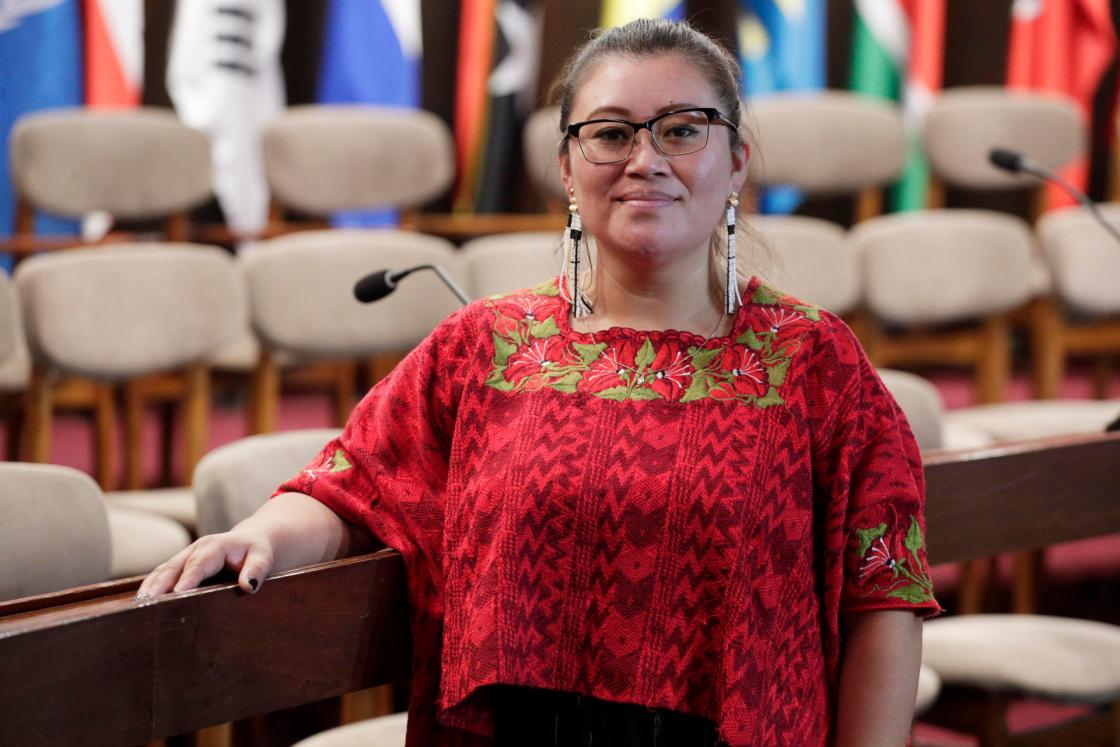
Meanwhile, Dina Juc, coordinator of the Law and Culture area of the Mesoamerican Alliance of Peoples and Forests (AMPB) and a native of Guatemala, regretted that ECLAC considers indigenous peoples represented. “But that’s not the case (…), they only include us as representatives in the audience, not in decision-making,” she stated.
“We are the indigenous people, and it is allowed for various types of actors to make decisions about our peoples and our territories,” Juc denounced, also criticizing the “lack of inclusion” by bodies like ECLAC, which invite participation via the internet when many indigenous communities in Guatemala lack electricity and internet access.
“There is apathy from the leaders of these processes, who lack sensitivity,” Juc insisted.
Risks for Environmentalists
Latin America is the most dangerous region in the world for environmental defenders, where impunity prevails, according to various independent reports.
The year 2020 was the deadliest for environmentalists since records began, with three out of every four attacks occurring in the region, as per the latest report by the NGO Global Witness, with Colombia and Mexico leading the statistics. EFE