Manaus, Brazil, Jun 14 (EFE).- Protecting the Amazon is synonymous with saving the planet. This message concluded the IDB Invest Sustainability Week held in Manaus, Brazil, an event aimed at promoting sustainable investments in Latin America and the Caribbean to preserve vital areas like the ‘lungs of the Earth.’
At a crucial moment when experts warn of the “irreversible ecological tipping point” at which the Amazon “is losing its ability to recover” from the effects of climate change, the world needs to mobilize for its protection, Inter-American Development Bank (IDB) President Ilan Goldfajn told a panel held Thursday.
Therefore, he added, more than ever, an “integrated approach” from “the public sector, local communities, the private sector, multilateral development banks like the IDB” is needed to “develop and sustainably protect the Amazon for the millions of people here” and worldwide.
In this regard, IDB Invest General Manager James Scriven told a press conference Thursday that the bank’s objective “is not to dictate what the Amazon needs” but to “co-create what the future of the region can be.”

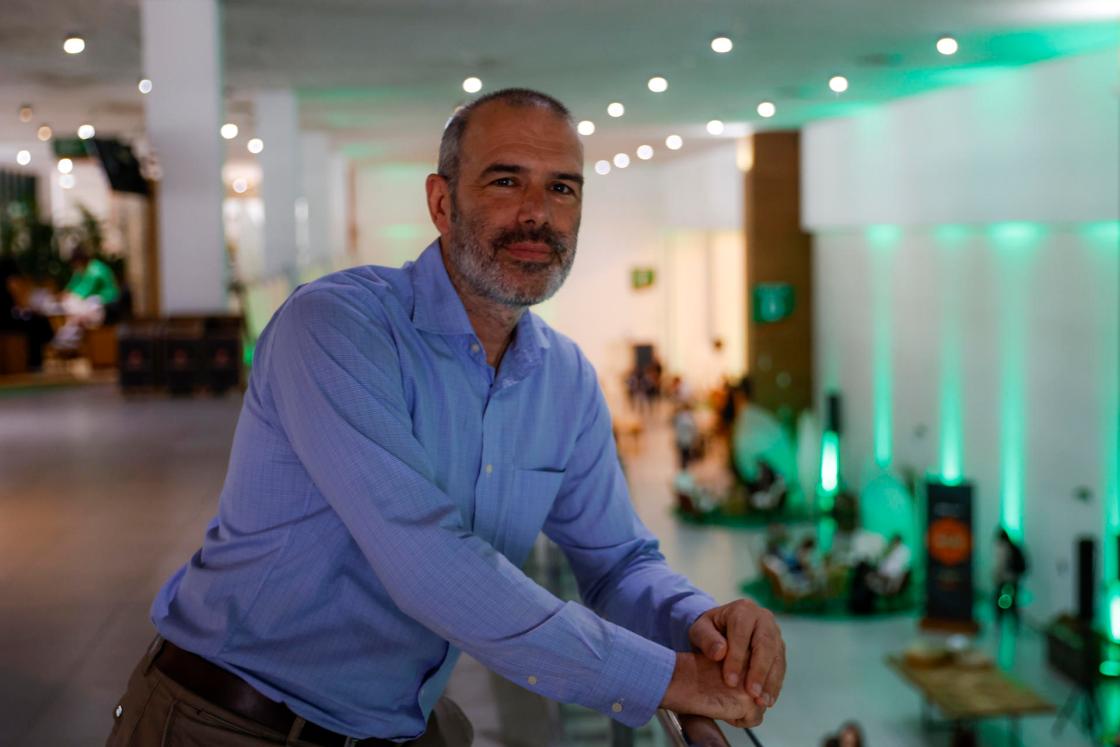
According to Jaime García Alba, Director of the Advisory Services and Blended Finance Program at IDB Invest, this has been a “very important event for the Amazon region” and also for “sustainability in general.”
Being in Manaus, he explained to EFE in an interview, reinforced the message that the Amazon “is not only relevant to the people who live in it but to the entire planet” because, among other things, “it plays a role in regulating the global climate.”
The Amazon, he added, “is a region with exceptional wealth but also vulnerability,” as “it has most of the planet’s biodiversity and, moreover, the majority of uncontacted tribes and an extremely high cultural richness.”
Opportunities for the local population
Therefore, the fundamental theme discussed at the Sustainability Week was how to generate economic opportunities for the 50 million people living in the region, and how “these people can connect with global markets.”
There are multiple opportunities, noted García Alba, in areas such as infrastructure, with “needs for access to energy, water, and sanitation” that “must be addressed by the private sector.”

It is time, therefore, to scale up investments in sustainability, at a time when it has already been demonstrated that “investment in sustainability is profitable,” even from a risk perspective.
“What many investors are seeing is that if they do not consider sustainability aspects, investments often end up having performance problems, and not investing in sustainability is less profitable,” he concluded.
For Silvia Vilas Boas, CFO of Natura, one of the largest cosmetics companies in Latin America, “there is no choice between sustainability and profitability.”
“Sustainability is within our business model,” said the company executive, which operates in 50 communities and has created 100 product supply chains in the region.
However, Vilas Boas stated that this is only “the beginning” because the Amazon’s potential is “enormous,” and she said the company is considering compensating communities for the services they offer in nature protection.
Overall, participants in the debates agreed on the need to listen more to local populations when designing programs, a demand also made by indigenous leader Almir Narayamoga Suruí, President of the Paiter Suruí Territory.
“Indigenous peoples need to be present on the global agenda, not just to be consulted, but at the table where decisions are made,” he said to applause from the attendees. EFE