
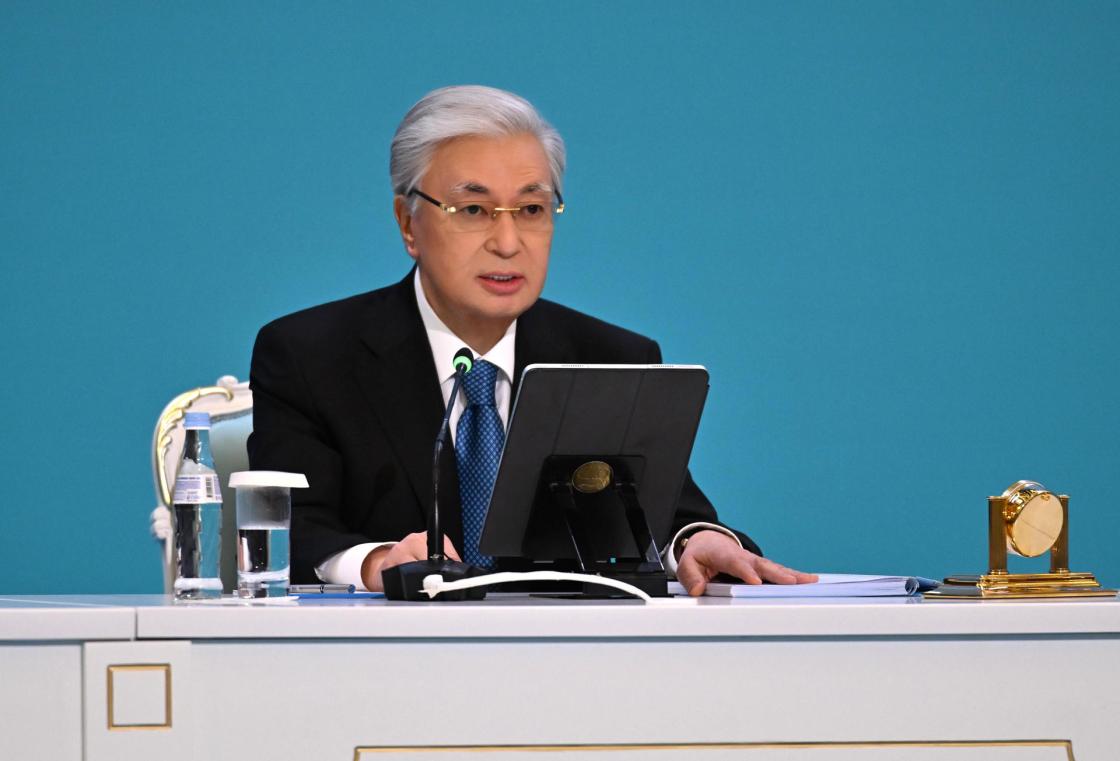
Astana, Mar 12 (EFE).- Kazakh President Kassym-Jomart Tokayev on Thursday called on citizens of the Central Asian republic to turn out in large numbers in Sunday’s constitutional referendum.
“I want to address all citizens, especially young people. This draft of a new constitution is primarily aimed at you,” he said while addressing municipal lawmakers at a forum in Astana.
Tokayev stressed that if it receives public support, the new constitution will allow the creation in the country of “a new, more effective political system that will ensure long-term sustainable development.”
If Kazakhs vote “yes” on March 15, it will mark the largest constitutional reform since the country gained independence from the Soviet Union in 1991.
In this regard, he noted that the future unicameral parliament, the main reform proposal, will no longer include a “presidential quota,” although some voices had advocated maintaining it.
“Be that as it may, I believe that all lawmakers should be elected in the same way, without any exceptions or privileges,” he said.
The future parliament, the Kurultai, will see its powers expanded, which will also increase competitiveness and the “speed of the state’s response to current challenges.”
He also highlighted that the new constitution proposes preventing relatives of the president from holding political positions or posts close to the government, which, he argued, will constitute “a reliable barrier against nepotism and the excessive concentration of power” in a few hands.
Regarding the 30 articles referring to fundamental rights, he stressed that the amendments now place emphasis “on the harm the state can cause to the individual,” rather than the other way around.


Toward democratization or toward the Russian model?
When calling the referendum on Feb. 11, Tokayev said that “Kazakhstan is finally leaving behind the super-presidential model and moving toward a presidential republic with a respected and influential parliament.”
Tokayev, who came to power in 2019, replacing Kazakhstan’s founding leader Nursultan Nazarbayev, argues that granting greater powers to the new parliament could be an important step toward deepening democratization in Kazakhstan.
However, some analysts linked to the opposition and foreign observers believe that after the reform, the largest Central Asian republic will resemble other authoritarian countries in the post-Soviet space, such as Russia, Belarus, or Azerbaijan, as it consolidates presidential power rather than contributing to the separation of powers.
According to critics, the constitution will strengthen the powers of the president, who will now also appoint the heads of the Supreme Court, the Electoral Commission, the Court of Auditors, the State Security Service, and the human rights commissioner.
The president will also be able to dissolve parliament if the chamber rejects his proposed candidates twice.
Opponents of the constitutional reform also warn that the new charter paves the way for a possible future extension of the presidential term, as has occurred in countries such as Russia.
As with the referendum held in 2024 on the use of nuclear energy, the opposition has criticized the lack of public debate and denounced obstacles faced by the press and polling companies in the weeks leading up to the plebiscite. EFE