Astana, Nov 7 (EFE).- The United States is turning to Kazakhstan, Uzbekistan and other Central Asian nations as alternative suppliers of rare earth minerals, offering increased investment in exchange for access to strategic raw materials.
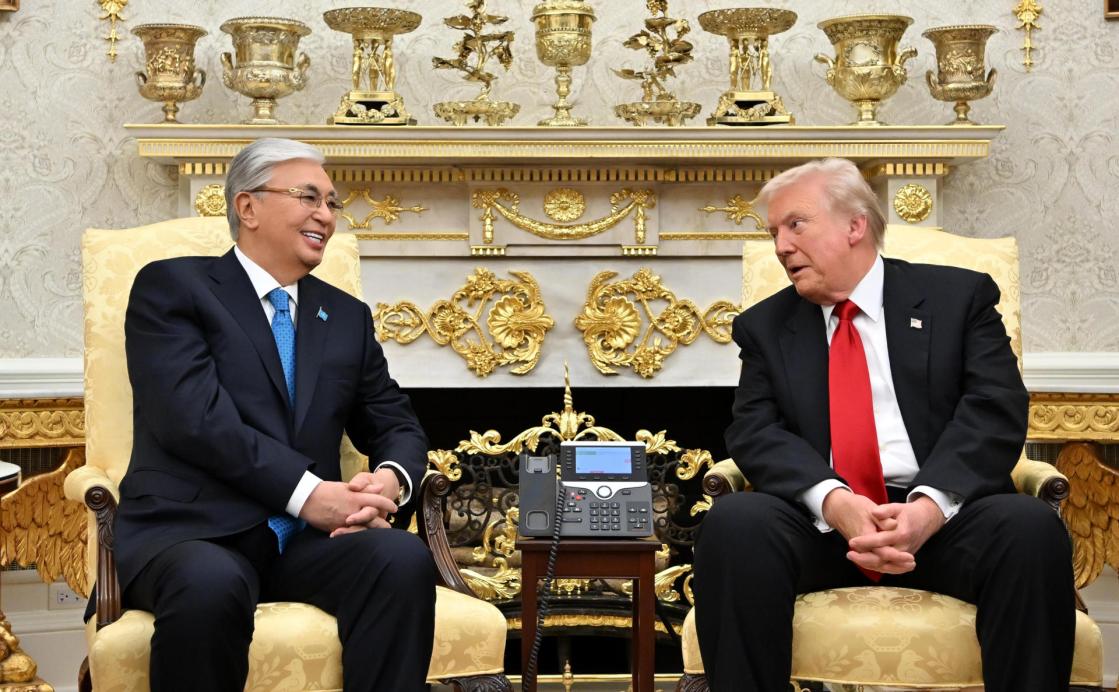
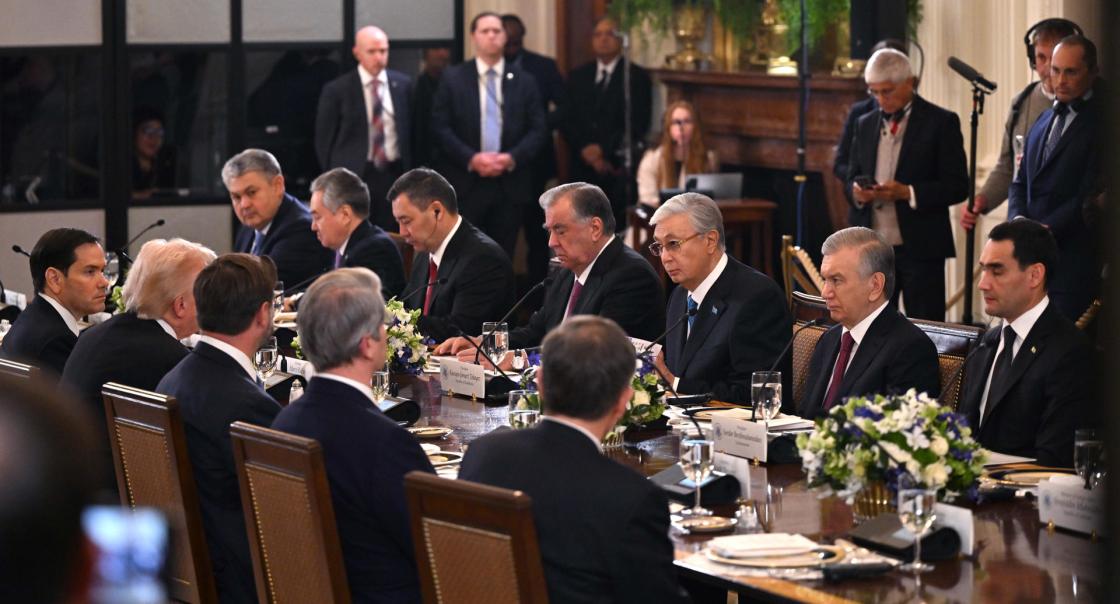
“Unfortunately, previous US presidents have completely neglected this region,” President Donald Trump said Thursday during a meeting in Washington with the leaders of Kazakhstan, Uzbekistan, Kyrgyzstan, Tajikistan and Turkmenistan.
The U.S. president described Central Asia as “an incredible and extremely rich region.”
Kazakhstan: world’s largest untapped tungsten reserve
Although China on Friday suspended for one year the export controls it imposed on Oct. 9 on strategic materials such as rare earths, lithium battery components and synthetic diamonds, Washington moved ahead to secure alternative supply chains.
Trump and Kazakh President Kassym-Jomart Tokayev agreed to create a joint venture between Cove Capital (70%) and Tau-Ken Samruk (30%) to develop what is considered the world’s largest untapped tungsten deposit, estimated at 410,000 tons.
Tokayev, who refers to rare earth metals as “the second oil,” stressed that attracting new investment is essential for Kazakhstan. The country holds major reserves of:
-
Rubidium
-
Cesium
-
Lithium
-
Beryllium
-
The world’s largest tungsten
-
Among the largest uranium and chromium deposits globally
The United States and Kazakhstan also signed more than $17 billion in commercial agreements, including purchases of U.S. freight trains, 15 Boeing 787-9 Dreamliner aircraft, John Deere agricultural machinery, and a major rare earth extraction project.

Uzbekistan investment to reach $100 billion
Trump also announced, through Truth Social, an agreement with Uzbekistan for rare earth mining, pledging to invest around $35 billion over the next three years and more than $100 billion over the next decade.
According to the office of Uzbek President Shavkat Mirziyoyev, the country—home to deposits of more than 30 strategic metals, including tungsten, molybdenum and lithium—plans to implement over 70 raw-material extraction projects valued at $1.6 billion by 2028.
The bilateral agreements include:
-
Purchase of 22 Boeing aircraft
-
Cooperation in automotive components
-
Initiatives in IT and digital services
-
Projects in the chemical industry
Meanwhile, Tajikistan signed a deal with Boeing for 14 aircraft, while Turkmenistan and Kyrgyzstan did not announce new commercial agreements. EFE