
Dajabón, Dominican Republic, Dec 19 (EFE).- The Dominican Republic is one of the countries in Latin America and the Caribbean with the highest rates of teenage pregnancy, a scourge that women supported by the United Nations Population Fund (UNFPA) are determined to end. Their efforts range from empowering young girls to increasing access to sexual education and family planning.
A Disproportionate Burden on Vulnerable Populations
The issue disproportionately affects the most vulnerable populations, particularly along the border with Haiti. Provinces like Elías Piña report 79% of households in low or very low socioeconomic conditions, according to a report by the Ministry of Economy, Planning, and Development (MEPyD) published by UNFPA.
Teenage pregnancy is more prevalent in border provinces than in the rest of the country, accounting for one in four pregnancies, compared to one in five nationwide. With 77 births per 1,000 women aged 15 to 19, the Dominican Republic has one of the highest teenage pregnancy rates in Latin America.
Key Houses: A Community-Based Approach
To tackle the issue at its root, UNFPA has supported the creation of a network extending beyond health centers and hospitals to neighborhoods and private homes known as “key houses”, managed by community leaders.
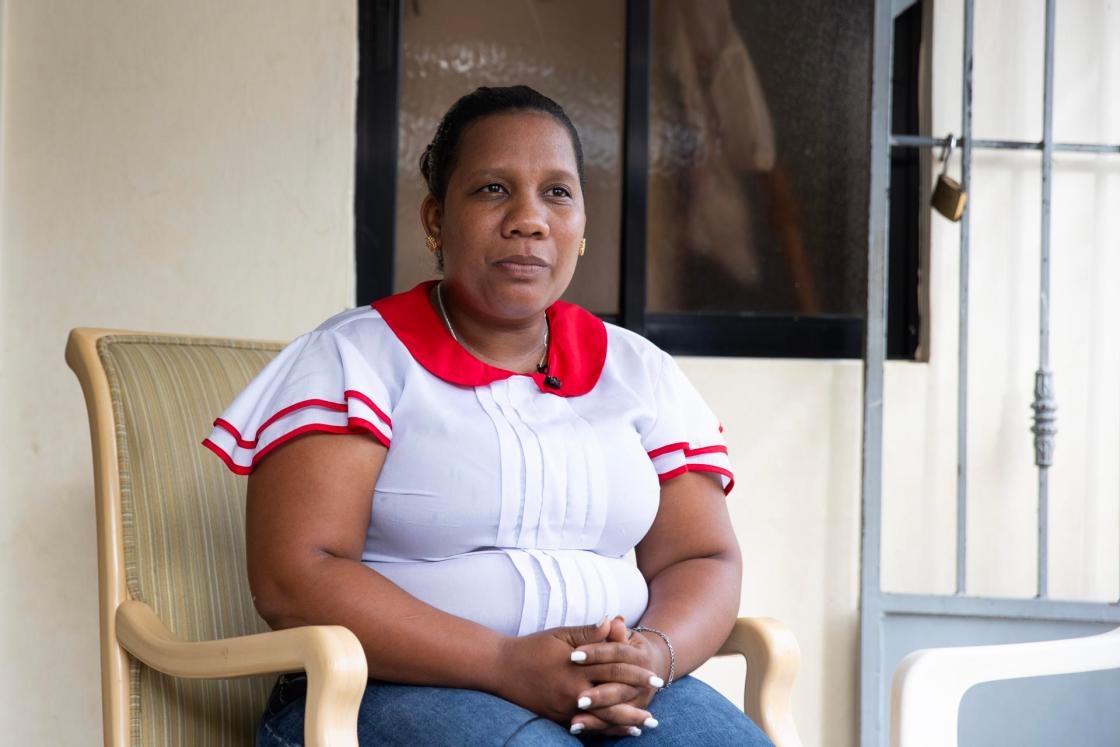
Grismary Carrasco, who runs a key house in the border town of Dajabón, shared her personal motivation:
“I was a teenage mother, I went through that experience, so now I love working to help teenage girls avoid going through what I went through. I’m a mother of three, and I’m only 27 years old,” Carrasco told EFE.
At her key house, Carrasco offers greater privacy and distributes an average of 190 condoms per month. “Sometimes they come at midnight or one in the morning, and I hand out condoms to the boys even through the shutters,” she said. Carrasco also serves as a confidante for teenage girls, encouraging those who, like her, became pregnant to fight for their future.
A Gateway to Healthcare
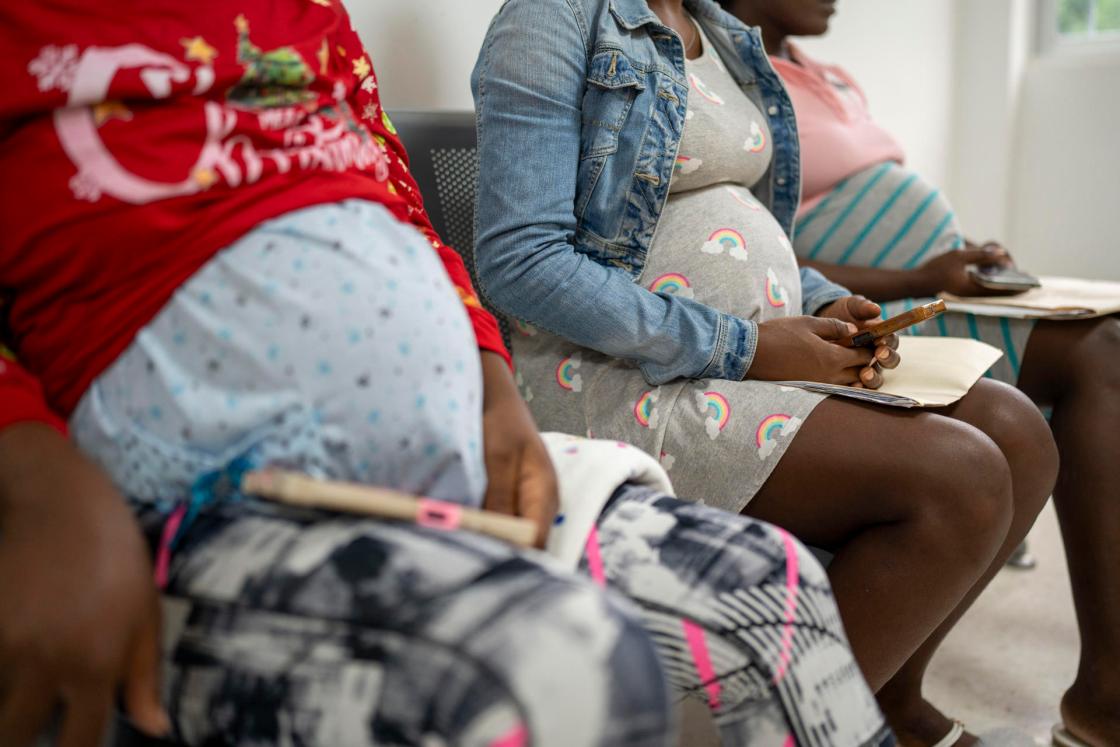
The network’s Primary Care Centers (CPNAs) serve as the initial entry point into the healthcare system, providing prenatal care and contraceptives before referring patients to hospitals.
Dr. Encarnación de Pula, director of a CPNA in the border town of Pedernales, expressed concern over the rising number of teenage pregnancies:
“We’re worried about the issue of teenage pregnancies because, in recent years, the numbers have increased,” she said.
Dr. de Pula highlighted another troubling reality: some underage girls from impoverished families engage in relationships with adults in exchange for food, phones, or clothing, despite this being illegal.
Reaching Remote Communities with Motorcycle Ambulances
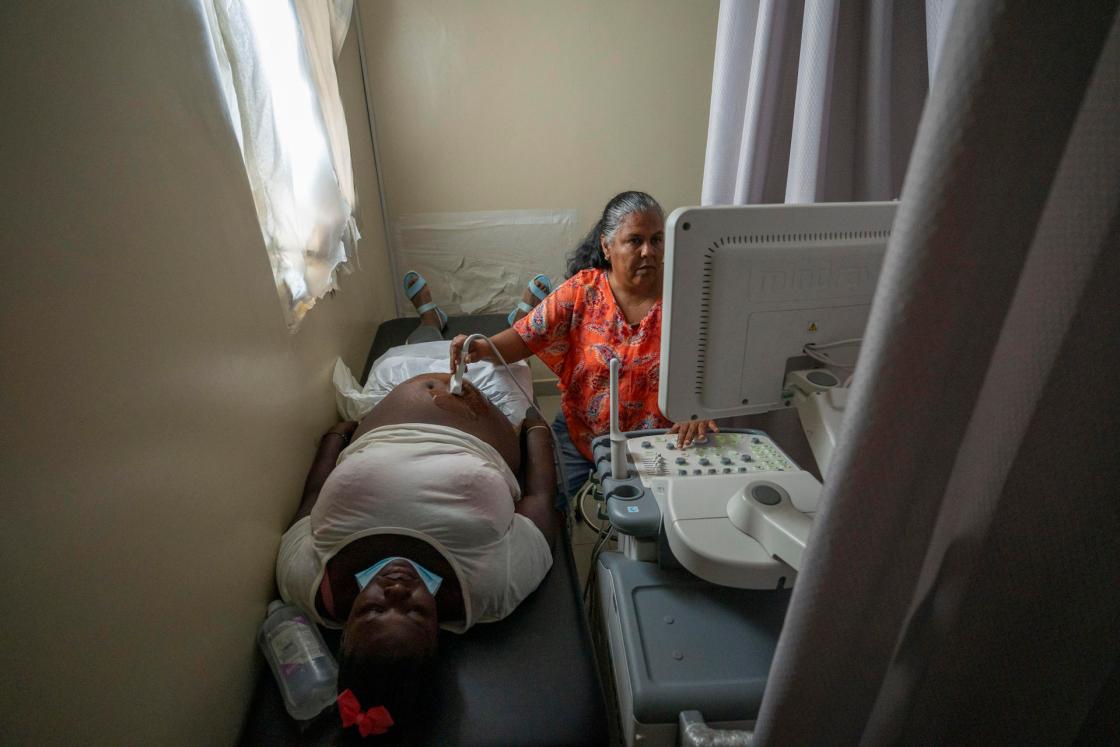
In the remote border provinces, where communities are often connected by rough dirt roads, reaching healthcare facilities can be challenging. In Elías Piña, UNFPA has donated four motorcycle ambulances equipped with rear compartments for patients.
On a recent Wednesday, three pregnant women arrived at Rosa Duarte Hospital via motorcycle ambulance. Among them was Yolanda, a 30-year-old mother of six, pregnant with her seventh child. Yolanda had her first child at just 15 years old.
Building Dreams: Empowering Young Girls
UNFPA recognizes that achieving zero teenage pregnancies in the Dominican Republic requires starting with early education.
Alicia Estévez, part of the Building Dreams girls’ club in Dajabón, mentors 30 girls aged 8 to 11, teaching them about body autonomy and their rights.
“Many adults come here and deceive them, offering them things or promising a bright future. Then, when they get pregnant, they abandon them and leave,” she explained.
Estévez works to inspire the girls to envision independent futures:
“Now, they want to study, work, and earn their own money. Their mindset has completely changed, which is exactly what we aim for—to empower them,” she said.
Gathered at the club, the girls confidently shared their aspirations: flight attendant, security guard, doctor, teacher, lawyer, soldier, agricultural engineer, professional dancer, and pilot. EFE
This article was produced with the support of the United Nations Population Fund (UNFPA).